
The most recent report from the Angiolini inquiry has found a ‘pressing’ need for change as 26% of police forces ‘have yet to implement basic policies for investigating sexual offences.’
The report calls for a fundamental shift in policing focus to prevent sexually motivated crimes against women. It states that current efforts are ‘fragmented, underfunded and overly reliant on short-term solutions,’ despite the fact that violence against women has been categorised as a ‘national threat’ since 2023.
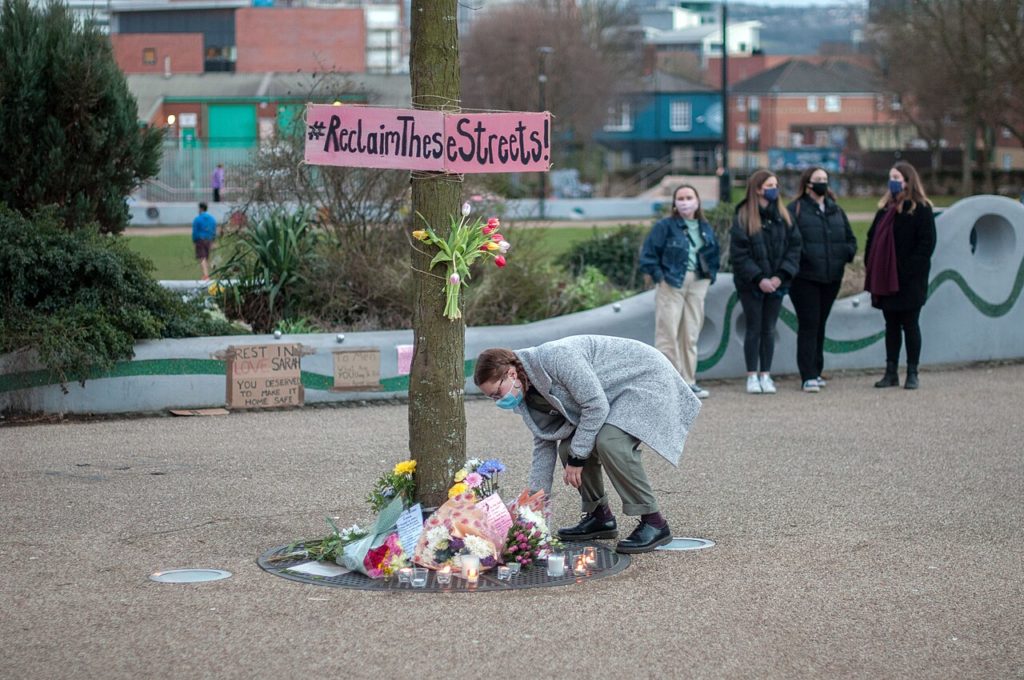
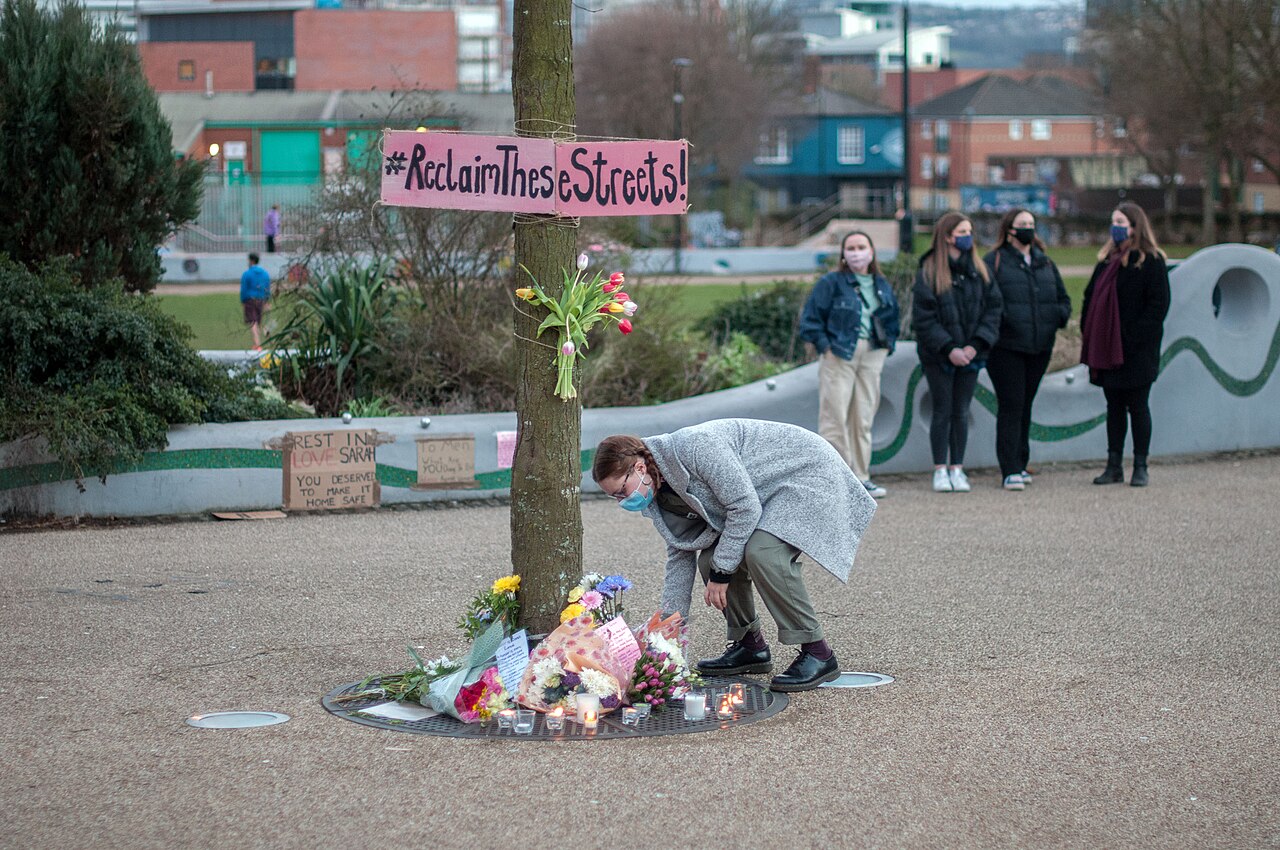
The inquiry, led by Lady Elish Angiolini KC, was established following the murder of Sarah Everard in March 2021 after she was killed by an off-duty police officer, Wayne Couzens.
From a survey of 2000 people, it found that in the last three years, approximately half of women had experienced an incident where they felt unsafe due to the actions of another person. Furthermore, that around 76% of women aged 18–24 reported feeling unsafe in a public space due to the actions or behaviour of a man or men.
The report concludes: ‘Somehow, we have simply come to accept that many women do not feel safe walking in their streets.’ It emphasises that, ‘Now is the time to show them their voice matters and to take meaningful and effective action to address their concerns.’
Andrea Simon, director of End Violence Against Women, responded ‘this inquiry confirms what women and girls have been telling us for years: that the threat and reality of men’s violence restricts our everyday lives, and efforts to prevent it remain piecemeal, short-term, and chronically underfunded.’
The most recent report also expressed ‘deep disappointment’ that after 18 months, many of the recommendations published in part one of the inquiry in February 2024 have not yet been implemented. This includes a failure to ensure there is no route for those with convictions or cautions for sexual offences to enter the profession of policing. It also expresses concern that some recommendations ‘never will be implemented’ due to ‘a lack of consensus across policing about their necessity’ and ‘the appropriate way of implementing them consistently.’ The failure to reform is put down to a lack of momentum, funding and ambition, and ‘difficulties in proving a return on investment’, despite this being a non-issue in relation to other categories of serious crime, such as terror prevention.
In examining the events leading up to Sarah Everard’s murder, part one of the inquiry concluded that many ‘red flags’ were missed as Couzens had indecently exposed himself on numerous occasions. However, despite his victims coming forward to report the incidents, they were ‘not taken seriously’ and officers were ‘not equipped or motivated to investigate’.
The inquiry itself has previously faced widespread criticism due to its limited scope and lack of statutory footing. The inquiry lacks legal power, and is instead governed by flexible, informal procedures, as reported by the Justice Gap.