
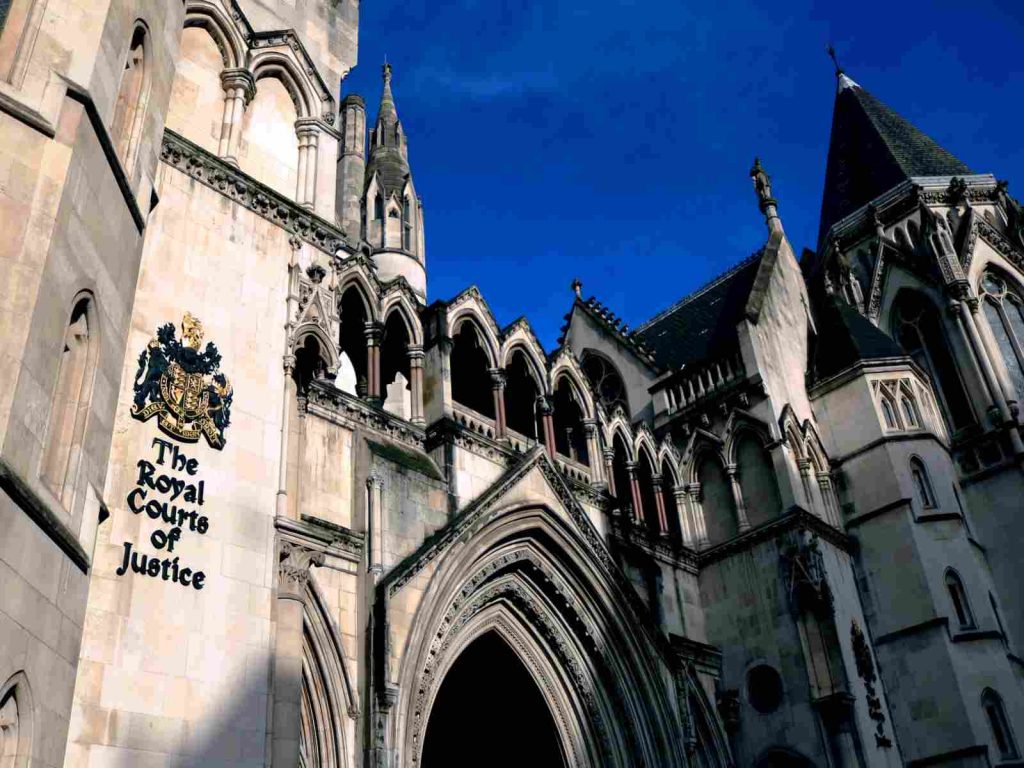



The sentence imposed on Vickrum Digwa for the murder of university student Henry Nowak has been referred to the Court of Appeal under the Unduly Lenient Sentence scheme.
Digwa, 23, was sentenced at Southampton Crown Court to life imprisonment with a minimum term of 21 years after being convicted of murder and possession of a bladed article in a public place.
Solicitor General Ellie Reeves KC announced this week that she had referred the sentence for review. The Court of Appeal will now decide whether the sentence was unduly lenient and, if so, whether it should be increased.
A referral does not mean that the sentence has already been found to be too low or that it will necessarily be changed. Under the scheme, the Court of Appeal must decide whether the sentence fell outside the range reasonably available to the sentencing judge.
Nowak, an 18-year-old student at the University of Southampton, was fatally stabbed by Digwa while walking home after a night out in Southampton on 3 December 2025. He suffered severe internal bleeding and died at the scene.
Following the attack, Digwa falsely claimed that Nowak had racially abused and assaulted him and knocked off his turban. Officers initially treated Digwa as the victim and Nowak as the suspect, telling the seriously injured student that he was under arrest and placing him in handcuffs even as he repeatedly said that he had been stabbed and could not breathe.
The police response has since attracted widespread criticism. Hampshire and Isle of Wight Constabulary has apologised for its initial response. The force referred the incident to the Independent Office for Police Conduct, which has opened an investigation.
Announcing the referral, Reeves said the case had ‘horrified’ her and the British public. She said that ‘difficult questions need to be answered’ about the police handling of Nowak’s murder, while her own role was to review Digwa’s sentence.
‘No sentence can ever undo the devastation that Henry’s family have suffered, or fill the void left by his loss,’ Reeves said. ‘But I hope this referral goes some way towards bringing them the justice they deserve.’
The Court of Appeal may leave the sentence unchanged or increase the minimum term Digwa must serve before he can be considered for release.