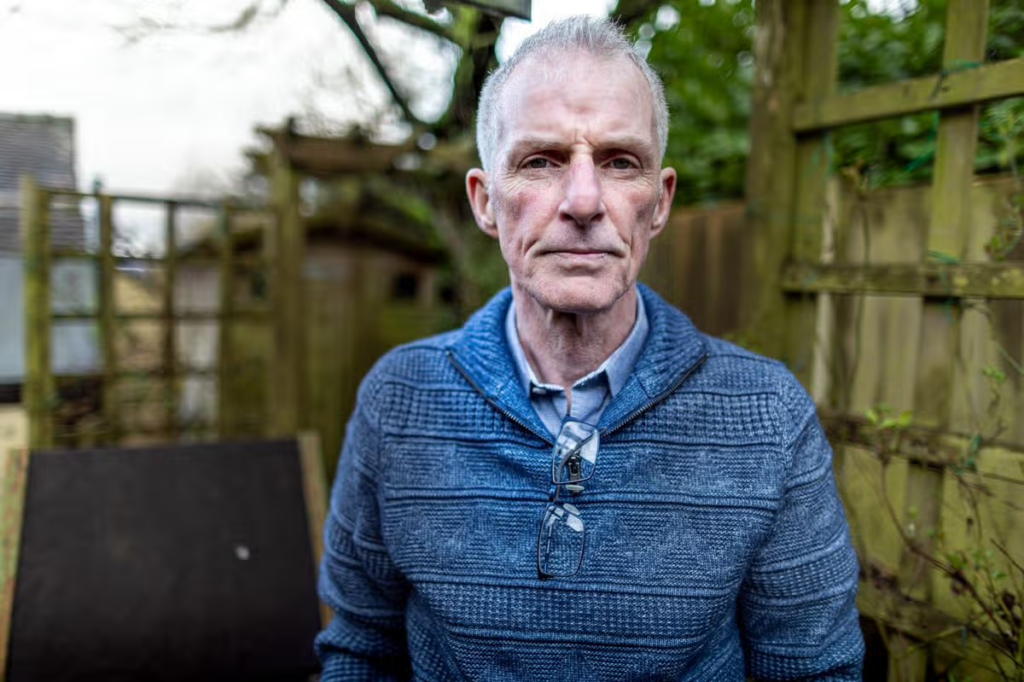

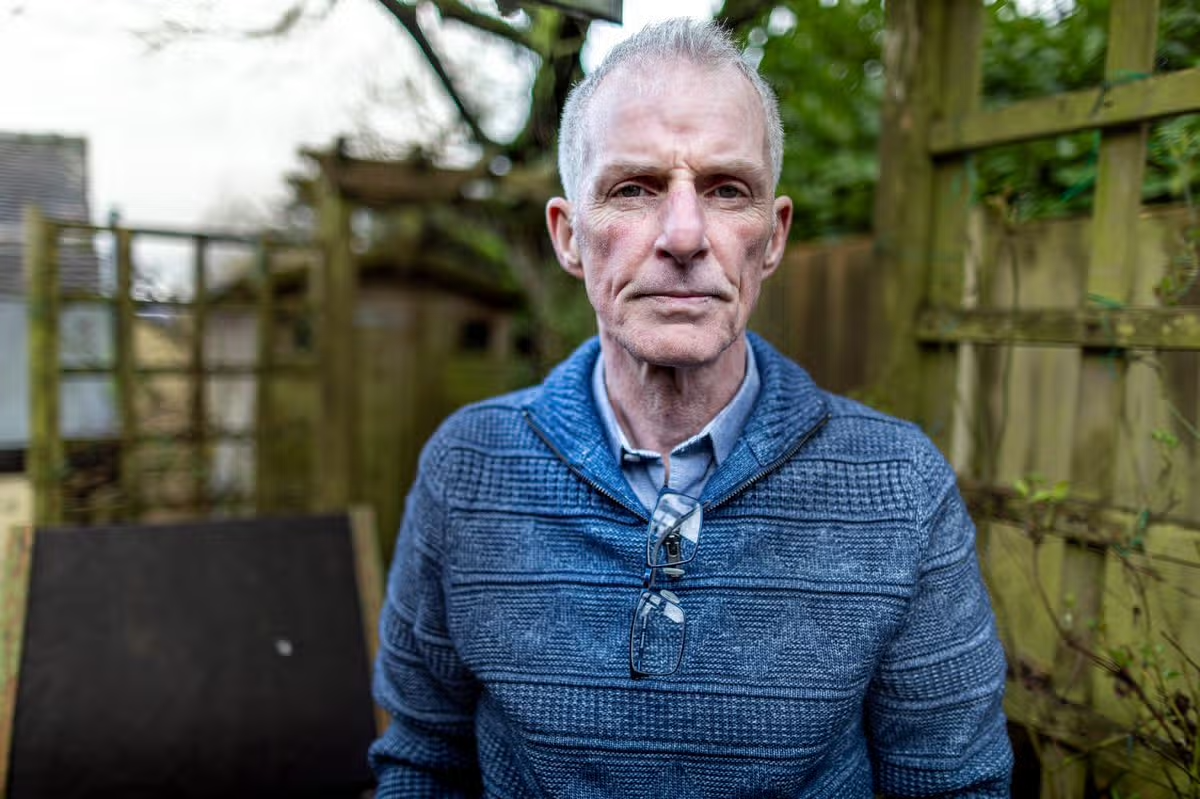
The forensic psychologist whose report first prompted Merseyside Police to treat Eddie Gilfoyle as a suspect for the murder of his heavily pregnant wife has told a new documentary that his initial advice was ‘nonsense’. Last night the latest episode of a new Channel 4 series The Accused: Beyond Reasonable Doubt revisited the case of a man who was convicted in 1993, spent 17 years in prison and who many believe is the victim of a shocking miscarriage of justice despite having been looked at and rejected twice by the Court of Appeal and the miscarriage of justice watchdog body.
The episode finished with a defiant Eddie Gilfoyle, shorn of his moustache, saying: ‘I want to clear my name. That’s what I’m living for.’ His brother-in-law, Paul Caddick, a former police officer whose promising career at Merseyside Police ended with the scandal, said: ‘One day this case will come right in the end… We’re not going to stop.’
The documentary makes clear how the justice system repeatedly failed to get to grips with the unravelling of a prosecution case that presented Eddie Gilfoyle as a devious killer who faked the suicide of his eight-and-a-half month pregnant wife by persuading her to put her head in a noose – Paula Gilfoyle was found hanging from the rafters of the garage in the family home on The Wirral – as well as forging a series of suicide notes.
It is 30 years since a Channel 4 documentary in the Trial and Error series presented by David Jessel cast serious doubt on the safety of the conviction. In last night’s episode, Gilfoyle recalled how he watched the program in prison. ‘Everyone got to see it in jail. We had TVs in ourselves by then,’ he said. ‘I was more shocked than they were – afterwards they treated me nothing but respect. They were all asking: “What the fuck I’m doing in jail?” They all knew that I was innocent.’
Merseyside Police sued Channel 4 for libel. The broadcaster defended itself by arguing that the police investigation was ‘fundamentally flawed’. The case settled out of court with Channel 4 accepting that one of the officers involved had not behaved corruptly.
- The case of Eddie Gilfoyle has featured on the Justice Gap over the years – he spoke at the launch of Jon Robins’ book Guilty Until Proven Innocent in 2017 when his case was rejected by the CCRC.
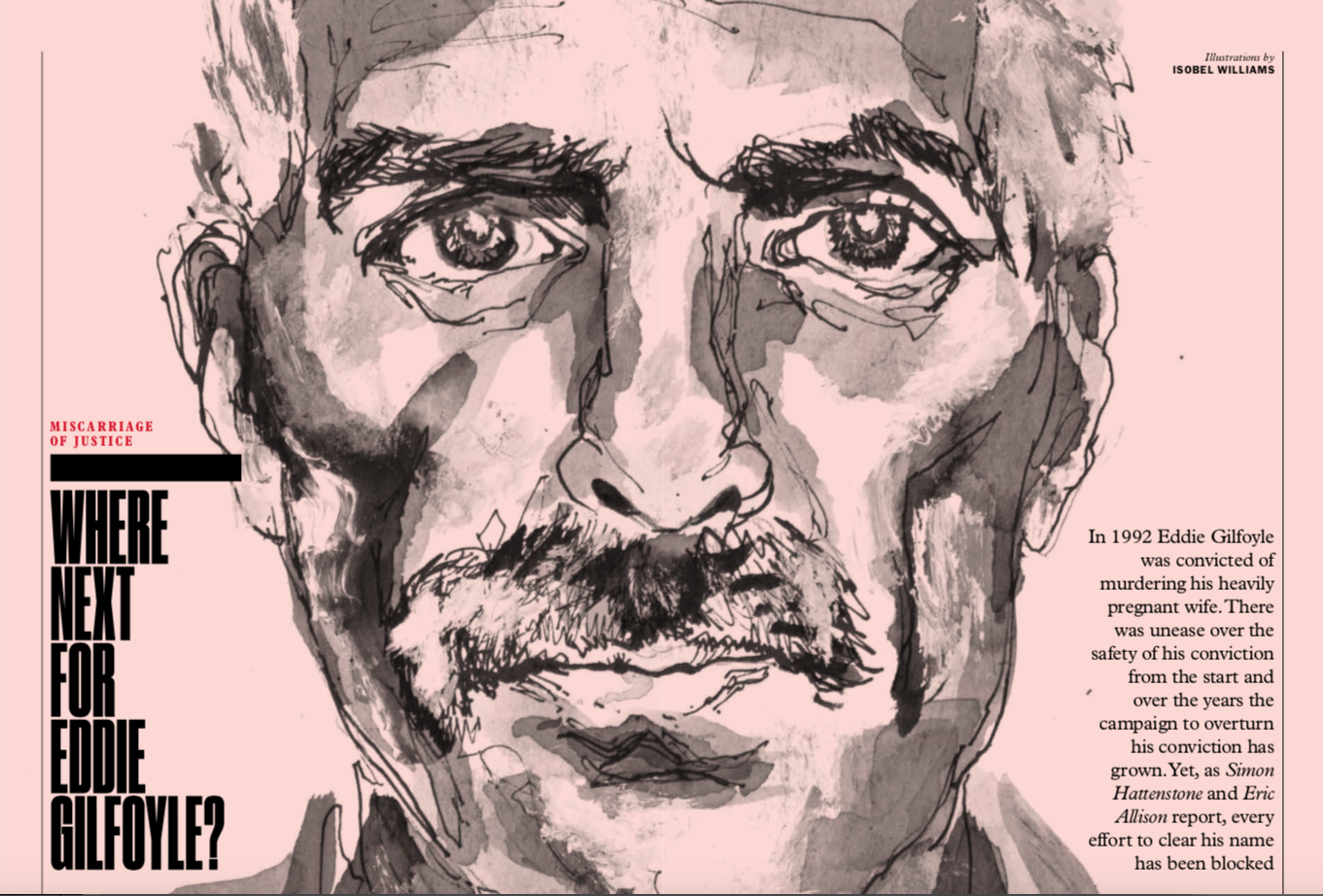
- You can read Eric Allison and Simon Hattenstone on the case in PROOF issue 6 (here).
- Eddie is represented by APPEAL – read more here.
Tune in to Channel 4 at 10pm tonight to watch the story of APPEAL’s client, Eddie Gilfoyle, featured in The Accused: Beyond Reasonable Doubt.
Don’t miss this powerful programme exploring Eddie’s case and the fight for justice.@CandourTV #TheAccused #BeyondReasonableDoubt pic.twitter.com/pBFInj0SCm
— APPEAL (Centre for Criminal Appeals) (@APPEALcharity_) July 2, 2026
For days after Paula Gilfoyle’s death, the police assumed that she had taken her own life. Officers only changed their minds after Paula’s work colleagues claimed that she had told them Eddie had been acting suspiciously. Supporters of Gilfoyle have always argued that the claims were baseless canteen gossip.
Officers approached a forensic psychiatrist Professor David Canter to see if there was any other evidence to support their new theory and, in particular, whether it was possible to determine whether the suicide notes were genuine or not. Dr Canter had recently taken up a post as chair of psychology at Liverpool University. He was styled as a real life ‘Cracker’, a reference to the then popular ITV drama which featured Robbie Coltrane as a criminal psychologist.
‘I was led to believe that Eddie was a prime suspect,’ he told the documentary; explaining that he did some ‘very simple linguistic analysis comparing Eddie’s writing and Paula’s writing’. ‘I wanted to see whether or not there may be any indication that the suicide note might have been dictated by Eddie,’ he said.
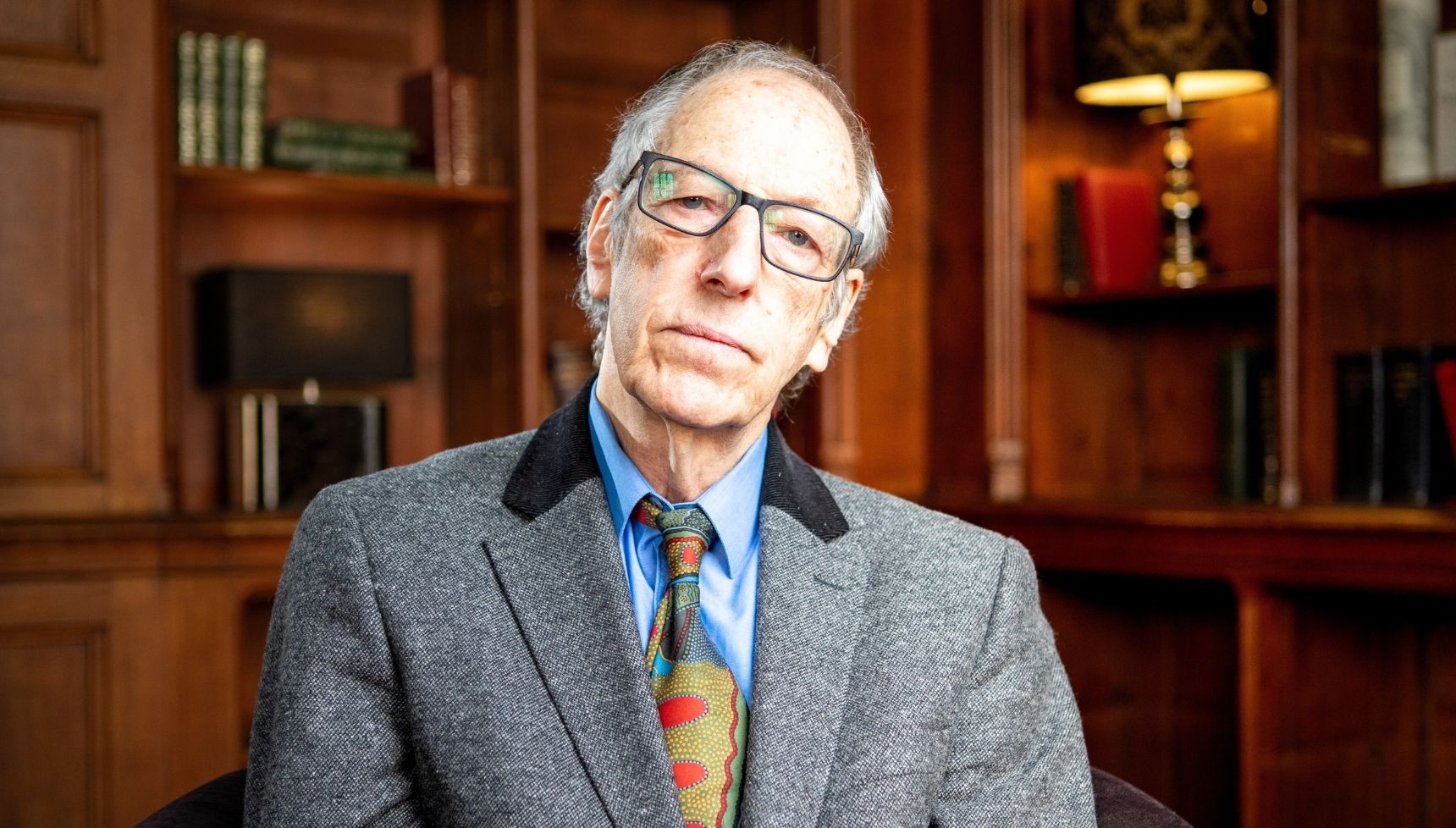 Dr Canter was asked to read out one note: ‘Dear Eddie, I’ve decided to put an end to everything, and in doing so ended a chapter in my life that I can’t face up to any longer. No one is to blame except myself.’
The psychiatrist was then asked to read an extract from his own report that he submitted to Merseyside Police in which he concluded that it was ‘very unlikely that Paula Gilfoyle wrote the suicide letter with the intention of taking her life, or that she moved the ladders and put the rope around her neck with the intention of committing suicide’.
He described his report as ‘very cautious’. ‘It was not intended as something that would would go forward into the court process, and yet, in terms of an investigation, if you’ve got no other clues, having got that report from me, they were reasonably comfortable that they were on the right tracks.’
Prof Canter said that on re-reading his note to the Merseyside Police: ‘I can’t, for the life of me, think why I said to them that Eddie may well have dictated these notes. It’s obviously a dramatic statement, and exactly what the police would do is to take that statement and to say, look, this supports our case, but I would say right away now that statement is nonsense.’
A farce
Eddie Gilfoyle and Paul Caddick described their horror at the conduct of the trial in 1993. Gilfoyle had had a nervous breakdown ending up in a psychiatric hospital because, on his own account, he had not only lost his wife but his unborn child. The documentary made clear the huge local animosity towards Gilfoyle and his family whipped up by sensationalistic media coverage.
Gilfoyle claims that he didn’t take the stand because he was not capable of giving evidence because, as he put it, ‘my head was absolutely fucked up’ as a result of the breakdown as well as being heavily medicated . ‘I’d lost the will to live at that stage,’ he said. He called the trial ‘a farce. It was a pantomime. I was constantly told: “Don’t worry about it, this case isn’t going much further.” The defence barrister stood up and said: “The defence offers no evidence.” We sat down – there was a notable gasp around the court. I was just staggered, because I thought they must have something lined up.’
As soon as Eddie Gilfoyle was convicted and sentenced to 25 years, the case against Gilfoyle seemingly unravelled. Paul and his late wife Sue Caddick made over 100 complaints about a shambolic police investigation in which the police failed to secure the crime scene (and lost key evidence) because they assumed it had been a suicide. This led to an independent investigation into the conduct of the case by Detective Superintendent Graham Gooch from Lancashire Police. In 1994 DS Gooch submitted a 6,000 page report to the Crown Prosecution Service urging them to consider prosecuting four of 16 officers involved in the original investigation.
In last night’s documentary, Caddick recounts how Gooch told him directly that he found no evidence of a crime and that his view was that it was clearly suicide. The officer has subsequently gone on the record saying that his belief is that Gilfoyle is not a murderer and to talk about his anger at the way his report has been ignored by the courts.
Shortly after the conviction, a leading home office pathologist, Professor Bernard Knight wrote a report about how murder by hanging was ‘extremely rare to the point of being almost unknown’. Professor Knight had been prepared to give evidence at the original trial. Gilfoyle’s team never called him.
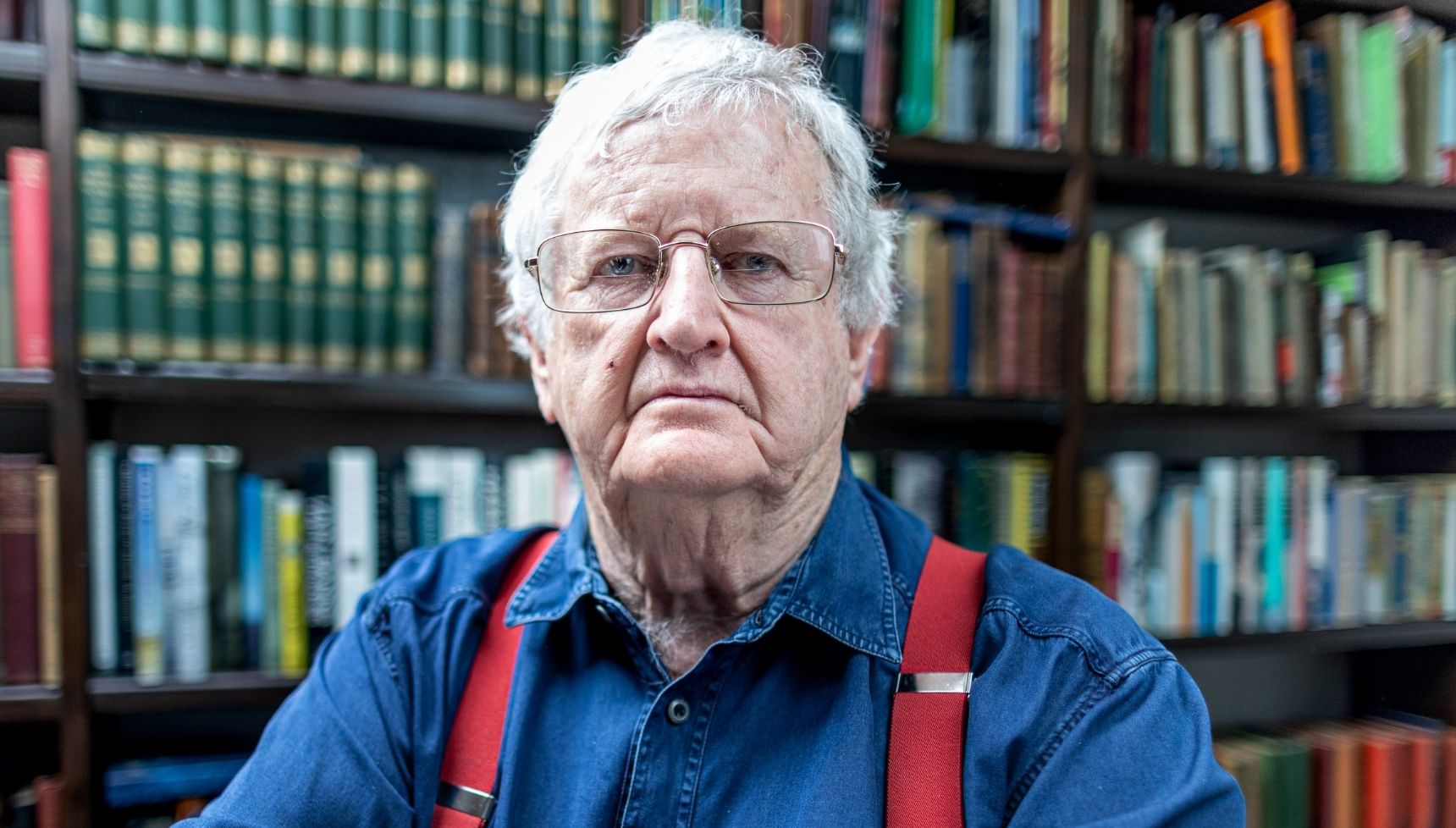 As Eddie Gilfoyle approached the appeal in 1995, he was increasingly confident that a shocking miscarriage of justice would be recognised. ‘I was telling the family it was going to be fine,’ the veteran appeals lawyer Campbell Malone told the documentary makers. He described his disbelief at what happened next.
‘The Court of Appeal was extraordinary,’ he said. ‘It is one of the most extraordinary appeals I’ve ever been involved in. Reading the room, you could tell that they did not like this case.’
They refused to take into account the Gooch report and rejected Knight’s evidence as well. ‘We were properly shafted, and the appeal was dismissed,’ Malone continued. ‘I don’t think I’ve ever been as appalled at the way the court of appeal has dealt with a case as I was by that case. They wouldn’t hear the evidence.’
A second appeal in 2000 followed a referral by the Criminal Cases Review Commission. Matt Foot, the co-director of APPEAL, took the case over from Campbell Malone who has since retired. Foot described how he went to Bebington police station in Merseyside to pick up exhibits from the case. He came across Paula Gilfoyle’s teenage diaries which revealed a troubled past at odds with the bubbly Paula presented to the jury. The diaries revealed a complicated past including a relationship with her first proper boyfriend who was convicted of murder and rape.
‘It is without doubt that Paula had really significant issues within the period of her pregnancy,’ said Foot. The solicitor quoted from one of her letters written at the beginning of her pregnancy, saying ‘unfortunately the baby has come when I’m at my lowest ever in my life.’
‘Now, that’s an extraordinary thing for Paula to write when we know what she went through in her young adult life,’ Foot added.
The jury was repeatedly told that pregnant women do not take their own lives – however, our understanding of mental health in general and in pregnancy, in particular, has dramatically changed over the intervening years.
Sarah Jones, a consultant perinatal psychiatrist, told the program that women are ‘particularly good at masking mental health symptoms in pregnancy’. ‘There’s a set of expectations around that time of how people should present, what they’re allowed and not allowed to feel,’ she said. ‘Multiple adversities are a really important risk factor in the development of suicidal thinking, and we now know that the most common form of suicide of all women who are pregnant is by violent means, and by that we mean hanging.’
The Gilfoyle case was seen as a critical test case for the Criminal Cases Review Commission which rejected a second application in 2017 after opening seven years looking at the case (here).
Support the Justice Gap, buy PROOF