


Miscarriages of justice are inevitable without urgent and ‘long overdue’ reforms to forensic science according to a House of Lords inquiry.
In a report released today, the House of Lords Science and Technology Committee have condemned the state of forensics amid cases collapsing due to missing or damaged evidence, patchy police provision that lacks oversight from real scientists, and a backlog of 20,000 digital devices awaiting analysis. They say ‘creeping neglect’ of forensic science now resembles a ‘shocking abdication of responsibility’.
Their inquiry, launched in November 2025, follows a 2019 Lords report into forensic science and the criminal justice system. The committee of peers say many issues they identified seven years ago have not been resolved. This latest report comes hot on the heels of a 2025 inquiry by the Westminster Commission on Forensic Science, launched under the auspices of the All-Party Parliamentary Group on Miscarriages of Justice. The Science and Technology Committee have leaned on this report (reported on by the Justice Gap here), and heard evidence from its key architects. Eminent forensic scientist, Angela Gallop, who co-led the Westminster Commission, told the Lords Committee: ‘Forensic science is not working for anyone. It is not working for the police. It is not working for forensic scientists. It is not working for lawyers. Ultimately, it is not working for the public and the criminal justice system.’
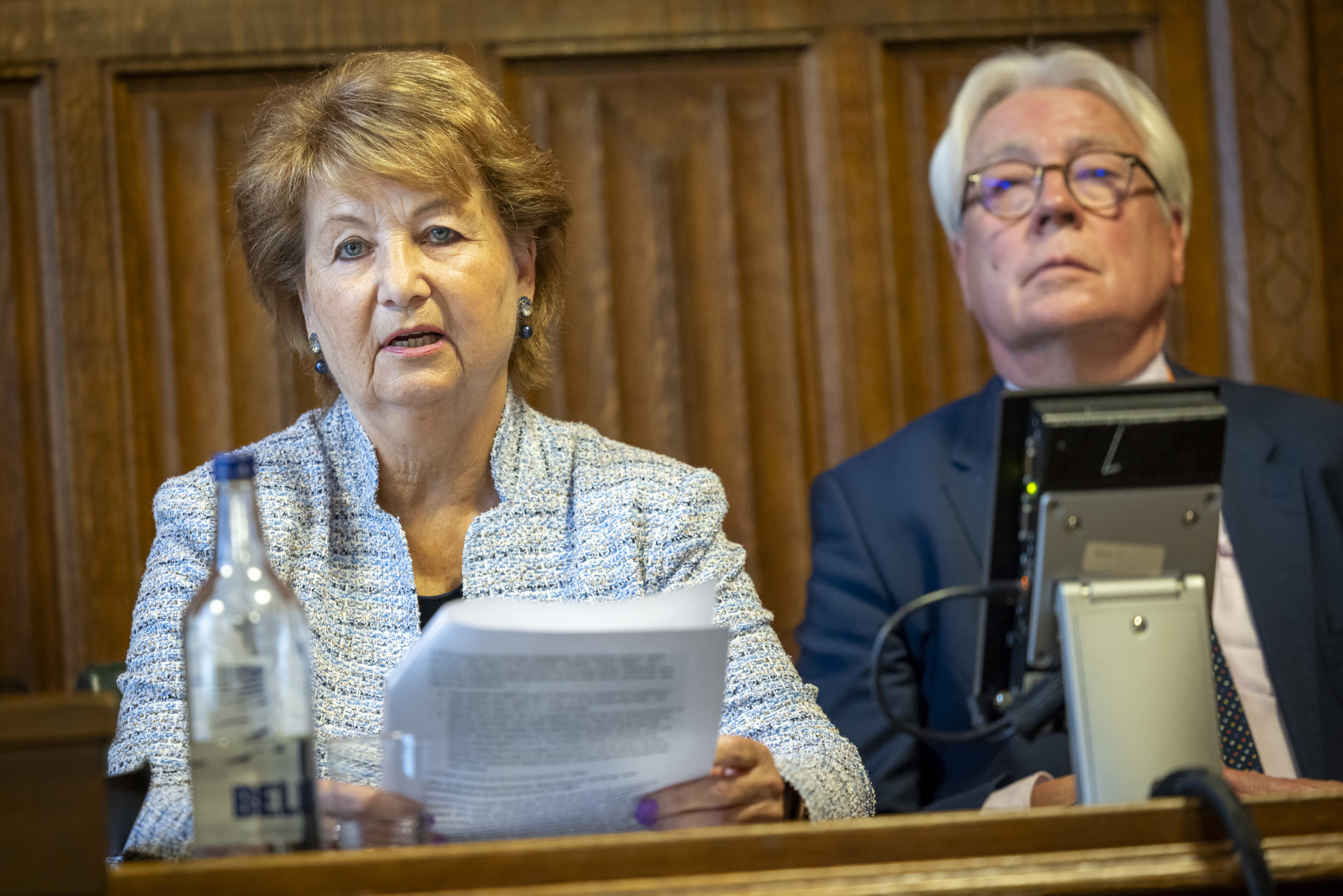
Professor Angela Gallop presents the findings of the Westminster Commission on Forensic Science in the House of Commons, 9 June 2025. Photo by Andy Aitchison.
This latest report into the dire state of forensic science highlights ‘grave concerns’ about the inequality of arms between prosecution and defence. They say defence scrutiny of bad forensic science provides ‘crucial external checks’, yet the community of forensics experts that can be called on by defence teams is ‘underfunded, fragmented, varying in quality’ and faces significant administrative and financial barriers to taking part in many criminal trials. They say the fact that this bulwark against bad science has been allowed to ‘wither away’ risks further miscarriages of justice. Legal aid rates for defence expertise remain ‘too low’, and lower than the Crown Prosecution Service itself pays for the equivalent expertise.
The report’s authors also raise concerns about the loss of specialism, particularly in mark and trace analysis, which have been used in the past to convict the killers of Stephen Lawrence and solve the coastal path murders. Professor McCartney, another Westminster Commission expert, told the committee: ‘I would put my life savings on the fact that, in future, we will undoubtedly have miscarriages of justice that we will not be able to solve, either because we do not have the expertise or because we do not have the evidence because we did not seize it in the first place.’
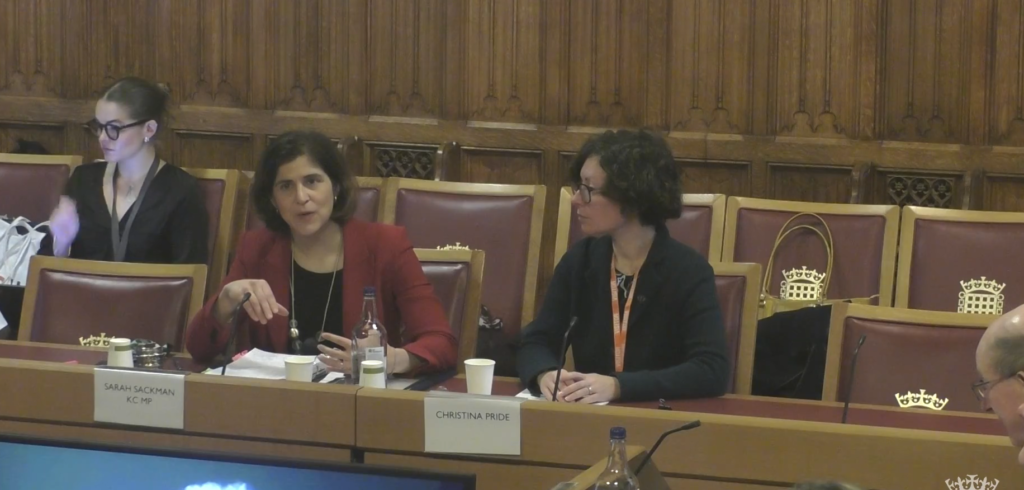
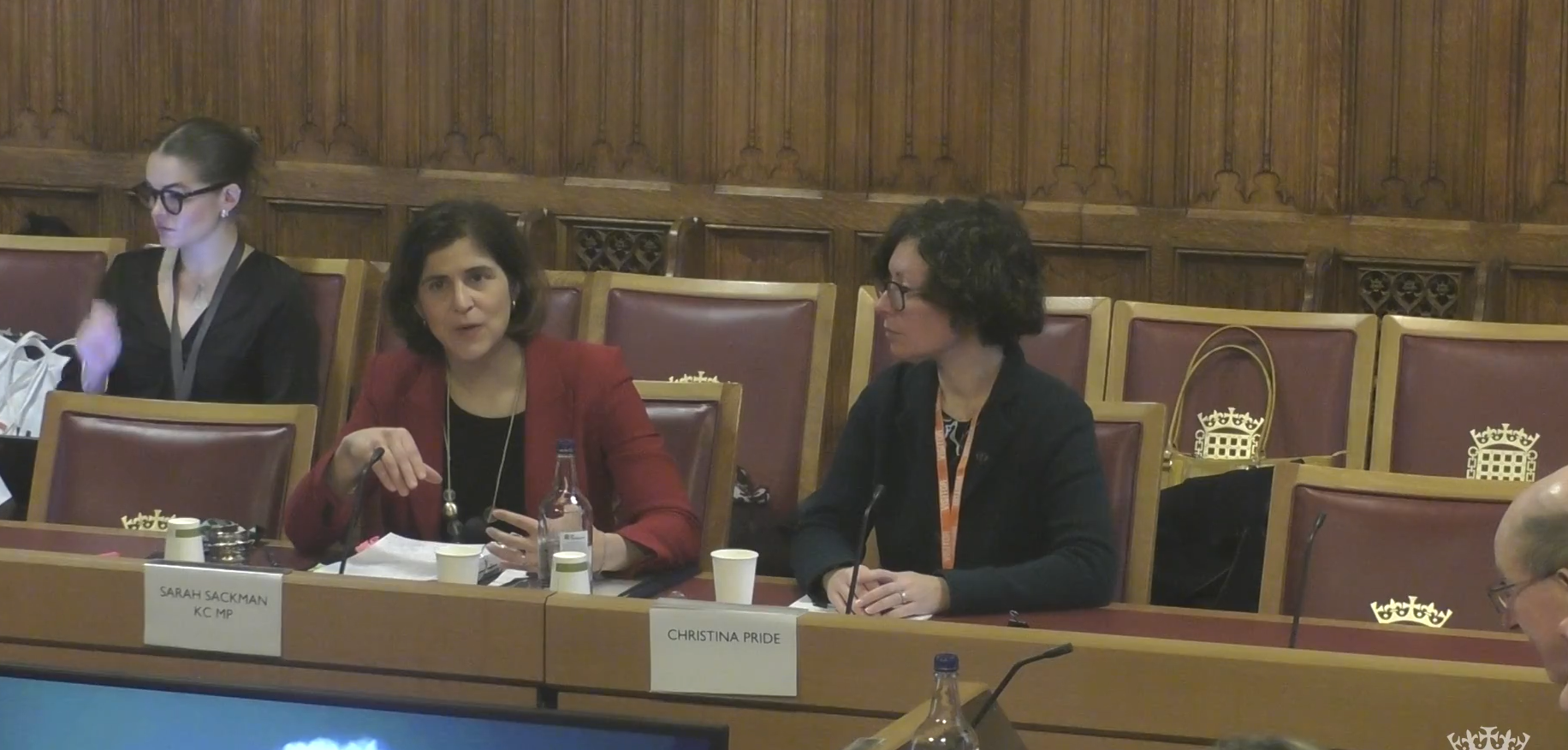
Ministry of Justice Minister, Sarah Sackman KC, gave evidence to committee, admitting ‘the volume of information and the expertise required both to help the court and to interrogate that evidence has exploded, yet the system has been starved of funding and has not been reformed to respond to it.’ Responding specifically on Legal Aid rates for defence forensics experts, she said there was ‘no evidence’ that the need for an expert was going unmet at the current rates, adding however that she has to ‘pick her priorities’.
A key facet of this report is their urging of the government not to delay reforms any further, in particular that they don’t wait until after their slated reform of police services to tackle forensics.
Lord Mair CBE, Chair of the Science and Technology Committee said: ‘We welcome the direction of travel in the recently announced Policing Reform White Paper, which presents opportunities for change such as establishing a national forensic science service and rationalising the current complex patchwork of police forces. However, the details on how forensic science will operate within this new system, and critically, how its independence from the police will be safeguarded, remain extremely vague, as do the timelines for implementing these changes.
He added that ‘much-needed and long overdue reforms must not be allowed to be kicked into the long grass’ if forensics is to stop becoming an ‘increasingly dysfunctional pillar’ of the criminal justice system’.