
 Six months after the publication of Lady Angiolini’s second report on women’s safety in public spaces, the Home Office and police leaders have yet to adopt its recommendations. Supporters of the recommendations argue that delays in implementation could hinder efforts in identifying patterns of repeat offending and preventing more serious crimes.
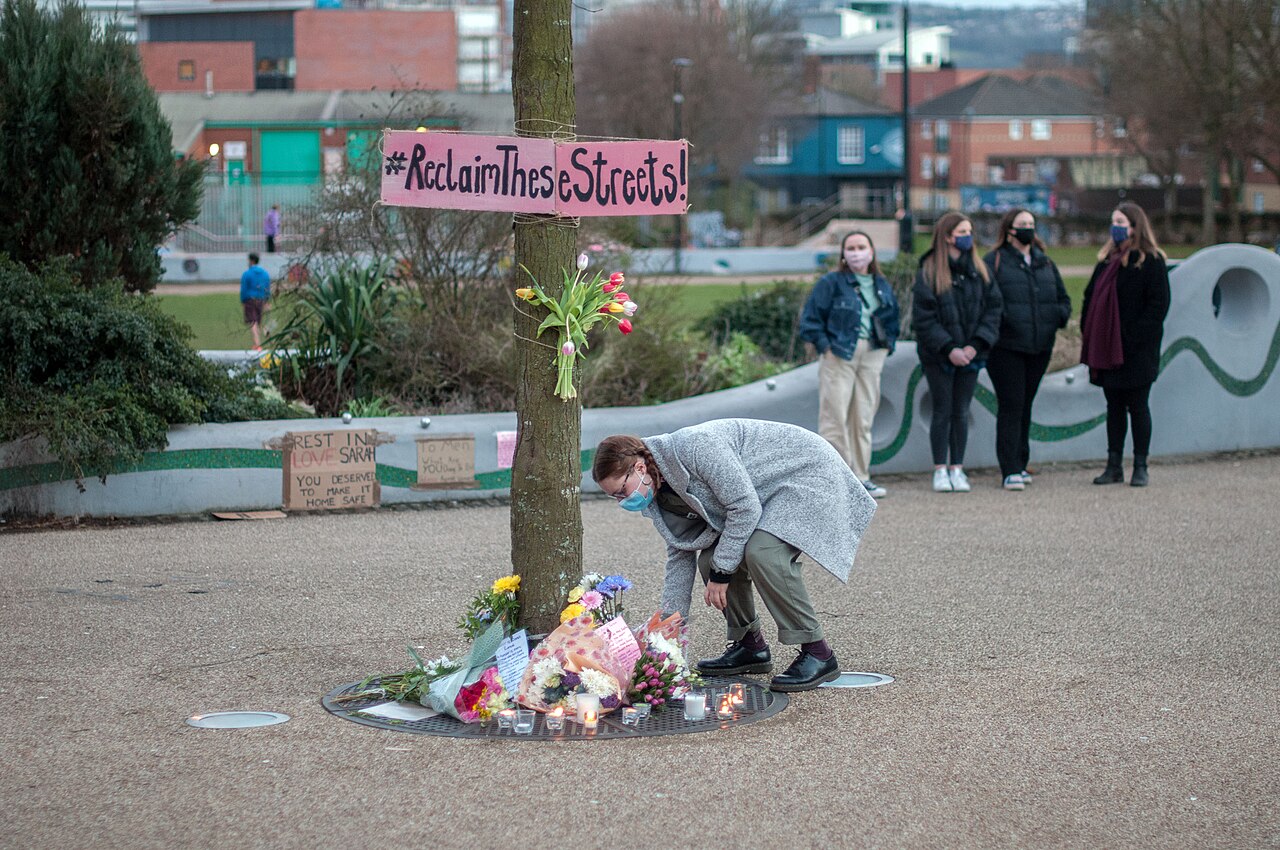
Angiolini’s second report was published in December 2025 and was part of the inquiry into the murder of Sarah Everard by former Metropolitan Police officer Wayne Couzens in 2021.
The main recommendations focus on prevention and include ‘immediately’ increasing the collection and use of data on sexually motivated crimes against women in public spaces. The report also recommended ‘targeted and consistent’ public messaging and national roll-out of Project Vigilant to prevent predatory behaviour in public spaces at night.
These concerns mirror findings from a systematic review of evidence published by the College of Policing. Their 2024 review indicated that indecent exposure should be classified under serious sexual offences and may form part of more extensive patterns of sexual violence. According to this review, record-keeping and proper communication between police forces are important for identifying repeat offenders and flagging seemingly isolated incidents within a wider context.
Following Everard’s murder, the Home Office pledged to fund research into whether offences such as indecent exposure could serve as risk indicators for more serious sexual violence. However, a 2024 investigation by The Guardian found that the promised research was never fully funded, leading some researchers to argue that significant gaps remain in understanding how offending patterns develop over time.
Concerns about the delays to implementing Angiolini’s recommendations have been raised by advocacy groups. Janaya Walker, interim director of the End Violence Against Women Coalition, told The Times that ‘six months on, we are disappointed that such recommendations have not been met with the urgency they demand’, adding that ‘it is women and girls who will bear the cost if the government does not invest in prevention’.
The Home Office said that it is ‘carefully considering’ the findings of Angiolini’s second report, while the National Centre for Violence Against Women and Girls and Public Protection said it takes the recommendations ‘extremely seriously’. Helen Millichap, the director of NCVPP, noted that any response should be ‘careful, considered and collaborative’, emphasising that reducing violence against women and girls is their utmost priority.