
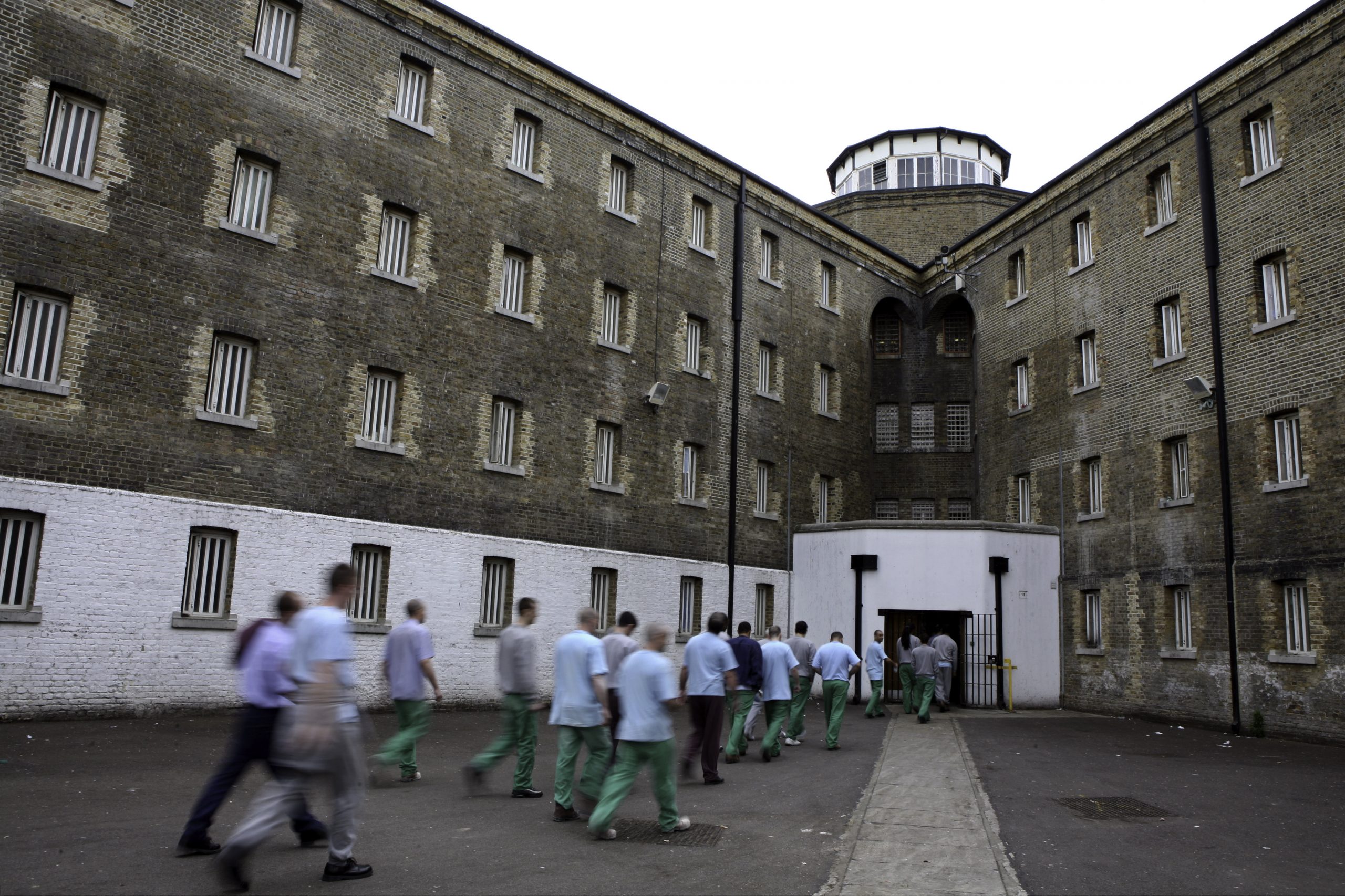

A new report has found 72% of prisons are overcrowded, up from 63% in 2023-24, amidst worsening safety outcomes from prisoners and staff.
Released as part of the Prison Reform Trust’s Bromley Briefings on prison conditions in England and Wales, a new report highlights a ‘worrying decline’ in performance. The research finds that the prison capacity crisis is seriously undermining safety, increasing the use of force and worsening overcrowding in jails.
Pia Sinha, chief executive of the Prison Reform Trust, said the report ‘underlines the urgent need for measures to reduce demand on our critically overburdened prisons’. Overcrowding has forced prison services to operate under emergency measures, including an early release scheme, since early 2024.
The report has also found that 49% of prisons were judged to have concerning or seriously concerning performance by HM Prisons and Probation Service.
Safety in prisons has also ‘deteriorated rapidly during the last decade’ with inspectors finding that it was not good enough in 44% of the 31 men’s prisons inspected in 2024–25. There were seven homicides in prison in the year 2024, compared with nine in the preceding five years.
To combat these issues, the government has passed the new Sentencing Act 2026 with measures including increased use of deferred and suspended sentences, and reforms to recall.
The report describes many of the provisions in the act as being ‘welcome’ but argues that it fails to tackle sentence inflation which is the primary cause of the growing prison population.
According to the Howard League, the sentence length for indictable offenses have risen from 18 months in 2013 to almost 23 months in 2024.
This research also criticises the Act’s failure to address the issue of those serving Extended Determinate Sentences (EDS) and Imprisonment for Public Protection (IPP) sentences.
Those with an EDS currently consist of more than one-in-seven of the prison population with that number ‘rapidly rising’.
Over 700 people remain in prison under IPP sentences despite them having been abolished in 2012.
According to Sinha, the act ‘dodges the crucial task of turning the tide on runaway sentence inflation, which has been the chief cause of rising prison numbers. But with sustained political will and investment, it could be the start of a journey towards a more effective and humane justice system’.