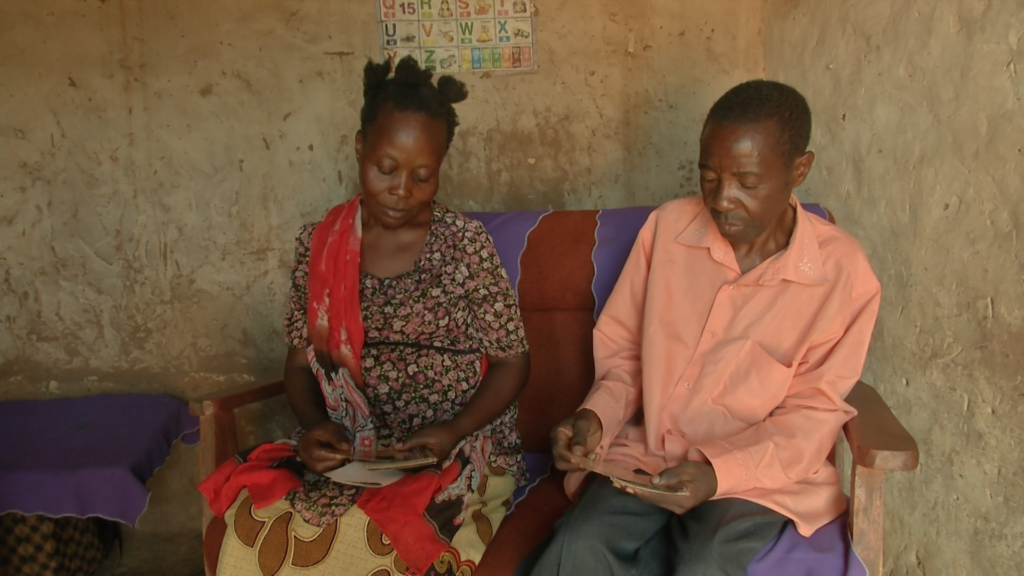

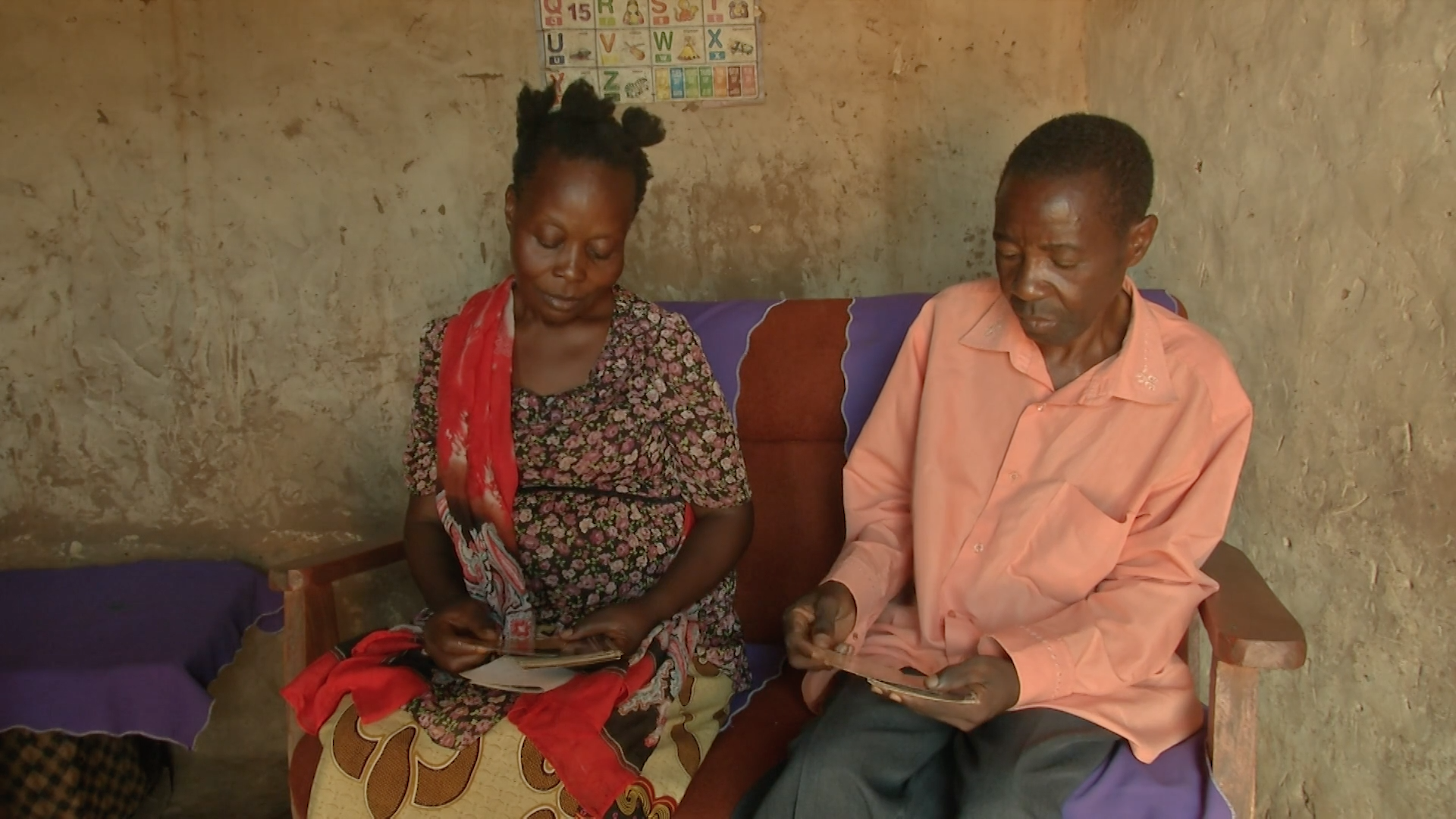
On 7 and 8 July, the High Court in London will hear a case that asks a deceptively simple question: are workers who lose their jobs as a direct result of corruption recognised as victims under UK law? The outcome will determine whether the British government’s repeated claim that corruption is not a victimless crime, and its pledge to put victims at the heart of the justice system, has any meaning (Photos from RAID’s ‘Victims of Corruption’ – above is Jean whose son died after healthcare benefits were taken away –more here.)
The claimants are four former mine workers from the Democratic Republic of Congo, whose identities have been withheld by court order. In 2009, a copper-cobalt mining licence in Kolwezi, in Congo’s copper and cobalt belt, was stripped from its rightful owner through the alleged payment of bribes to DRC government officials, and ended up in the hands of Eurasian Natural Resources Corporation (ENRC), a UK company then listed on the London Stock Exchange.
The human cost was immediate. Around 700 workers, including the four claimants, who are represented by the law firm Leigh Day, lost their employment when the mine closed. For them and their families, the consequences were severe: children pulled out of school, medical care out of reach, meals skipped, rent unpaid. In a region where a single wage supports many, the harm rippled outwards through entire communities.
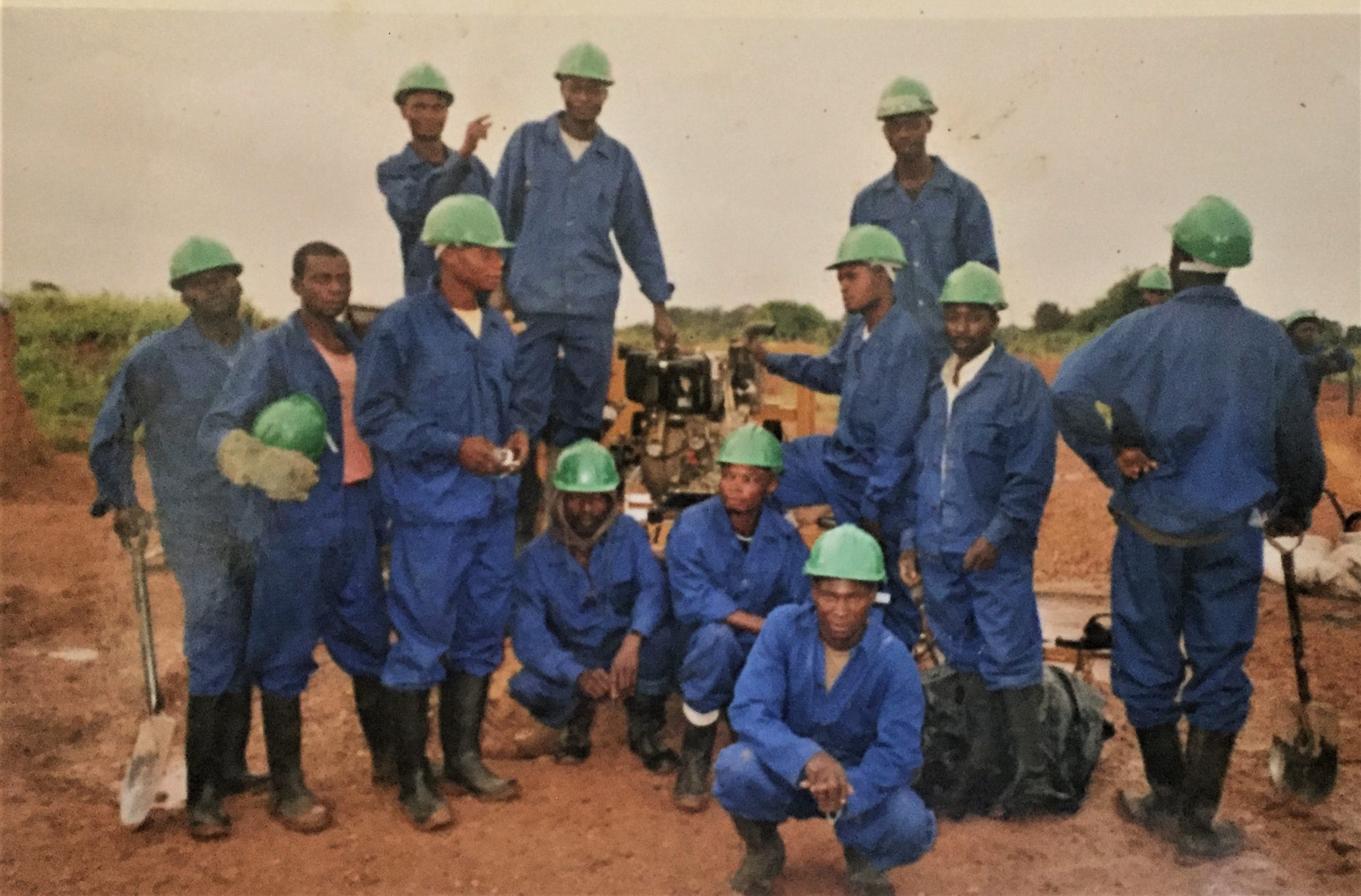
Workers at KMT mine
The Serious Fraud Office (SFO), the UK’s lead anti-bribery unit, investigated the alleged corruption for a decade, in what became a long-running and troubled investigation, before dropping the case in 2023, citing “insufficient admissible evidence to prosecute”. When the workers requested a review of the decision to close the investigation, the SFO told them they were not victims, and therefore had no right to ask.
UK law gives victims the right, under the Victims’ Right to Review Scheme, to request a formal review of a decision not to charge or prosecute a suspect . The SFO refused the workers’ request to exercise their rights under the scheme on the basis that they were not victims. Yet it has applied a strikingly different approach in other cases, recognising investors who lost money in fraud schemes as victims entitled to a review. Why not workers who lost their employment?
The distinction should trouble anyone who cares about how Britain enforces its laws against corruption. Investors who lose money are treated as victims. Workers – the people on the ground – who lose everything are not.
The stakes extend well beyond the workers in DRC. The offences the SFO most commonly investigates – bribery, fraud and corruption – rarely cause harm in a single step. Their damage travels along a chain: a bribe is paid, a decision is corrupted, a licence is lost, workers are dismissed. If the SFO’s interpretation prevails, virtually no individual harmed by those offences will ever qualify as a victim. The practical effect would be that corruption has almost no victims at all.
The UK has repeatedly told the world otherwise. It declared that corruption is not a victimless crime at its own Anti-Corruption Summit in 2016, and in 2018 wrote that commitment into Compensation Principles requiring law enforcement agencies to identify and compensate overseas victims. This legal case will test whether those words mean anything for the people who actually bear the cost of corruption: not the companies, not the shareholders, but the workers in Kolwezi who lost their jobs sixteen years ago and have been asking to be heard ever since.
The High Court now has the opportunity to say what should never have been in doubt. Corruption has victims. They have names, families and losses that can be counted. And they deserve, at the very least, the right to ask why no one was ever held to account.
Anneke Van Woudenberg is the Executive Director of UK corporate watchdog, RAID