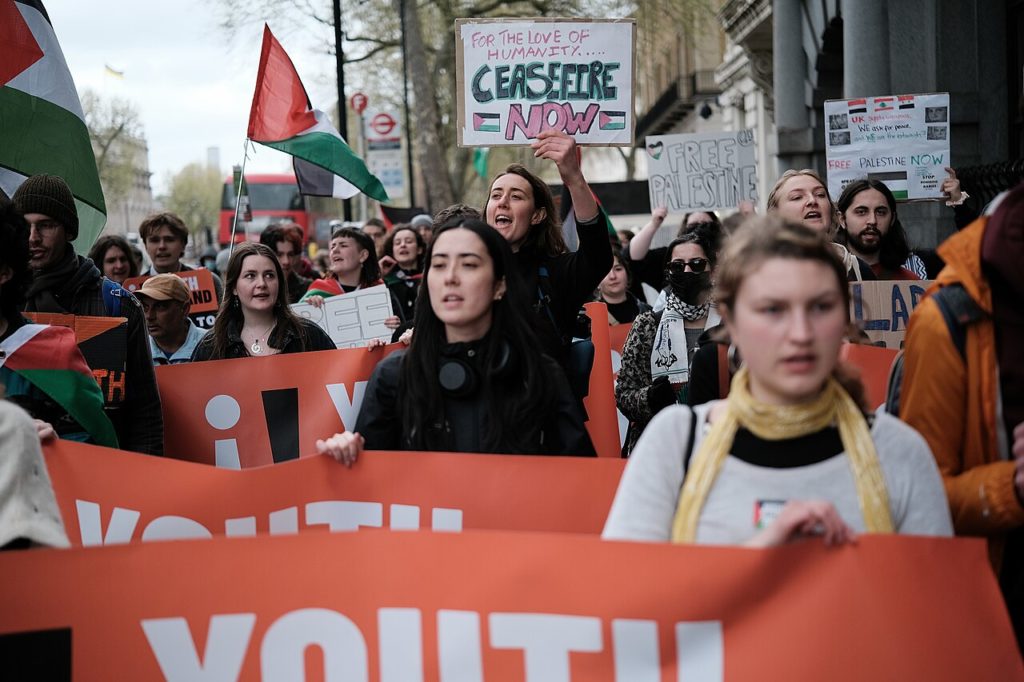


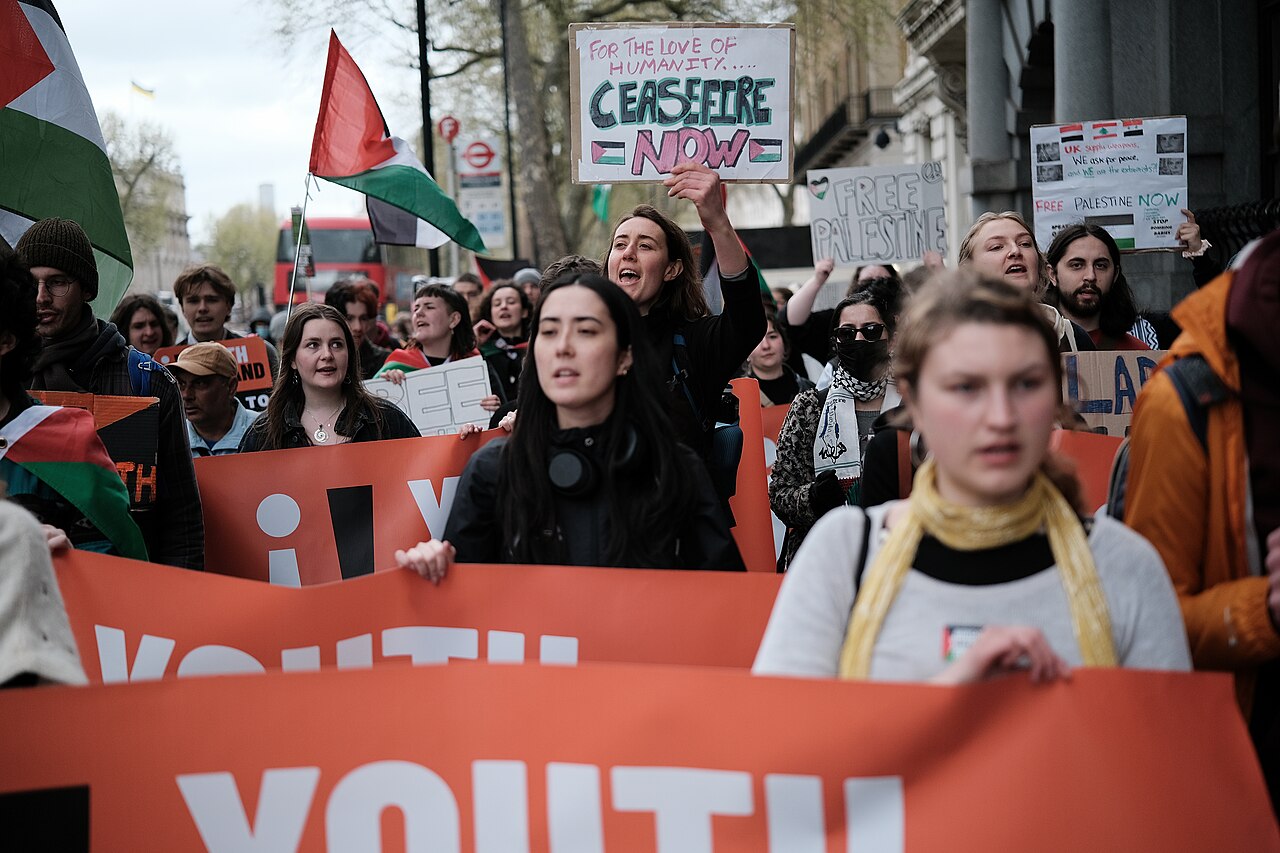
A report by Queen Mary University of London and Defend Our Juries documents the increasing use of prison sentences and pre-trial detention for climate and Palestine solidarity protesters in Britain. These findings raise serious concerns about the legal system’s treatment of activists and the potential erosion of democratic principles.
According to the report’s overview and findings, there were 286 instances where climate or Palestine activists received prison sentences or were held on remand spanning back to 2019. This means they were held in prison with strict bail conditions until their court date. In 256 verified cases, there was a combined total of 136 years of imprisonment recorded.
Recent legal developments, including increasing amounts of anti-protest legislation and greater use of civil injunctions have altered the way protest activity is handled by the courts. Custodial sentences for direct action and civil disobedience, once considered uncommon, are now being imposed more frequently and for longer periods.
The report identifies remand detention as a particular concern. In 60 percent of cases, individuals ultimately received a final sentence that was shorter than the time they had already spent in custody awaiting trial. Palestine solidarity protesters were found to experience especially long periods on remand, with many held for more than six months before sentencing.
Researchers further found that contempt of court proceedings accounted for 40 percent of recorded imprisonment cases, making it the most common category of offence identified in the study. Increasing use of contempt proceedings enables courts to impose sentences in ways that can reduce access to jury trials and give out more pre-emptive punishments.
These findings come amid wider debate about the direction of protest law in England and Wales, following a series of legislative changes that have expanded police power and created new protest-related offences in recent years.
Legal experts and activists, like Defend our Juries campaigner Tim Crosland, warn that the escalating severity of sentencing and the strategic use of remand indicates that civil liberties are being restricted. In fact, Crosland said ‘This report strips away the illusion that Britain remains committed to democratic principles.’ As the UK continues to implement more restrictive measures, the findings serve as a stark warning about the future of political expression and the erosion of judicial safeguards for protestors.