

Youth prisons are failing to meet legal requirements for education according to new Ministry of Justice data, with some boys in Feltham, Werrington and Wetherby prisons having half the amount of schooling they should.
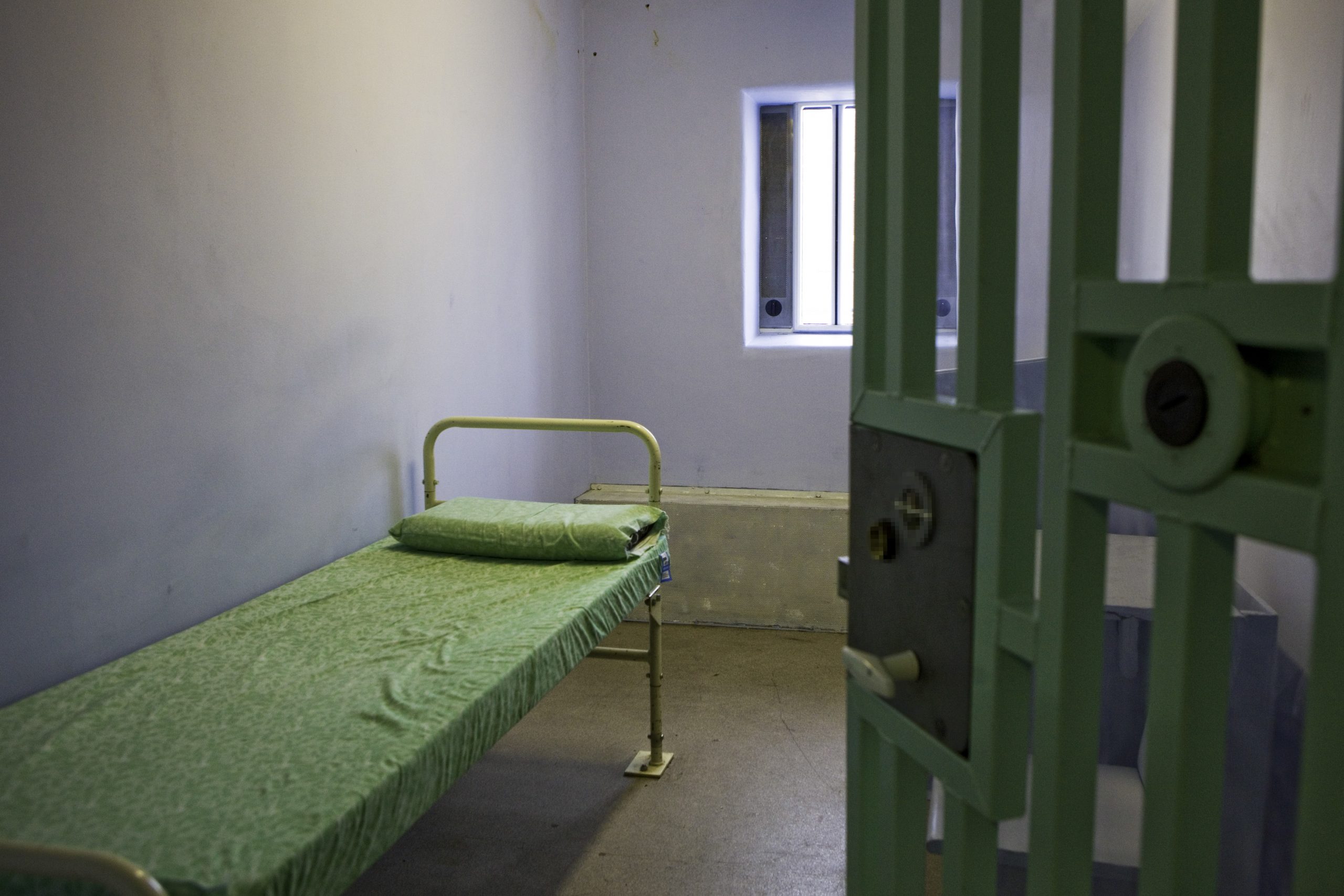
The data also shows that boys in the youth prisons are being kept locked in their cells for around 20 hours each day. It indicates fluctuating standards with Feltham Prison having the lowest teaching of 2.4 hours per week in November 2025. The children spent up to 20 hours a day in their cells, with less than 3 hours outside on weekends for most of the year. Statutory requirements for Yong Offenders Institutions say children in custody should have 15 hours a week of schooling.
The Howard League for Penal Reform has raised concerns about these figures, saying children ‘are being failed again and again by a toxic criminal justice system’. Andrea Coomber, the charity’s Chief Executive, added that ‘children need fresh air, exercise, education and contact with others… to lead healthy lives but this isn’t happening in the three prisons’. She said that ‘many of the children trapped in this failing system should not be in custody at all, and certainly not in prisons like these’.
The Justice Committee raised concerns in 2024 that Youth Offender Institutions are ‘clearly not working for children’. Its report highlighted concern about the length of time children were locked up each day, and the deteriorating access to education for children in prison as a ‘failure that appears to be tolerated by the Government’. The new data shows that custody conditions have scarcely improved since 2024 despite efforts to raise funding.
The Justice Gap previously reported that pepper spray can be used in prisons against boys as young as 15 when there is life-threatening violence. The Howard League expressed reservations about this punishment for children, as the spray causes burning and discomfort.
The Ministry of Justice said they are taking measures to improve the children’s learning and time outside of cells with specialist plans in Wetherby and Werrington. The government plans to invest over £15 million to target the causes of youth offending, such as increasing the inspection of knife crime.