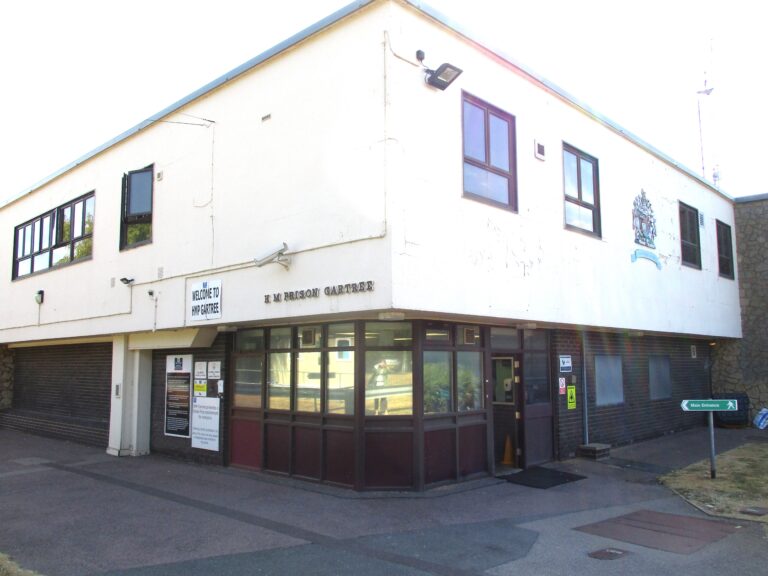

Violence has risen by more than half and self-harm has doubled at HMP Gartree, a prison where every prisoner is serving an indeterminate sentence.
Following a recent inspection, the prison watchdog found that the overall rate of violence rose by 53% since their last visit in 2023. Attacks on staff went up by 49%, and attacks on other prisoners went up by 63%, although serious assaults fell by 20%. Self-harm doubled but remained below the average of Category B prisons and there had been two self-inflicted deaths since the last inspection.
Only 26% of prisoners on suicide and self-harm monitoring said they felt cared for by staff, down from around two-thirds, and inspectors found staff had missed chances to stop some individuals getting worse.
Some patients had waited over 18 months for an assessment by a psychologist. Two men needing hospital treatment for severe mental illness waited 329 and 229 days for a transfer.
Prison leaders said the illicit prison economy was a key cause of violence, with debt and bullying behind many assaults. Inspectors recorded three confirmed deaths involving illicit substances since the last inspection.
New arrivals were at risk of falling into debt because they could not buy anything from the prison shop until their first order arrived, which could take almost two weeks.
Only 53% of prisoners were in education, training or work. A third were locked in their cells during the working day, up from 5% at the last inspection in 2023.
More than 600 repairs to the facilities were incomplete, and the only shower in the segregation unit, which holds up to 12 prisoners, was mouldy. Charlie Taylor, chief inspector of prisons, said that the better standards of the specialist units ‘had not been replicated’ on the general wings.
According to the report, 44 prisoners were serving imprisonment for public protection (IPP) sentences. 21 had never been released and 18 had been sent back to prison after release. Inspectors noted two were released by the Parole Board in the past year, but said that ‘the majority remained stuck and unable to progress through their sentence.’
The government has committed to bringing an end to IPP sentences for current prisoners before the end of this parliament, following the abolition of the sentence in 2012. As reported by the Justice Gap in September, 99% of prisoners with an IPP sentence who had never been released were beyond their minimum tariff.