

New research into the functioning of the miscarriages of justice watchdog has found a ‘bizarre and troubling’ situation where the cases that appear to have been the weakest at trial are the hardest for those investigating potential wrongful convictions to refer back to the courts.
The guiding principles behind the Criminal Cases Review Commission (CCRC) say that new evidence or a new legal argument are required in order to be able to send a case back to the Court of Appeal – you can’t simply argue that the jury in your case got it wrong or were misled. The CCRC is the only body that can refer a case back to the courts after an unsuccessful appeal. The author of a new report has described this as ‘extremely restrictive’, and said that this ‘constrains’ the body’s abilities to refer convictions to be reconsidered.
The CCRC is also theoretically able to refer convictions on the basis of ‘lurking doubt’, even when there isn’t fresh evidence, but in reality this is obstructed by the Court of Appeal. The ‘predictive test’ that the CCRC has to comply with means they can only refer a case where there is a significant chance it will then be overturned. This has a chilling effect on their ability to proactively challenge miscarriages of justice – the need to second guess the motivations of a conservative and begrudging Court of Appeal is baked in. Staff at the CCRC told these researchers that the Court of Appeal has indicated that ‘lurking doubt’ cases will only be allowed in the most ‘exceptional circumstances’.
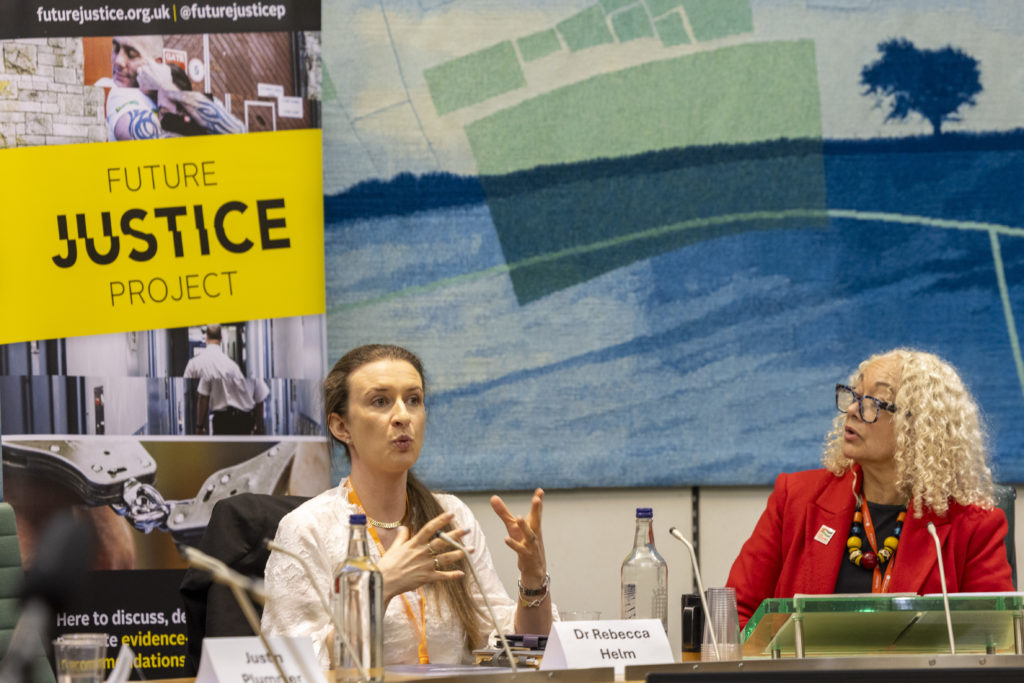
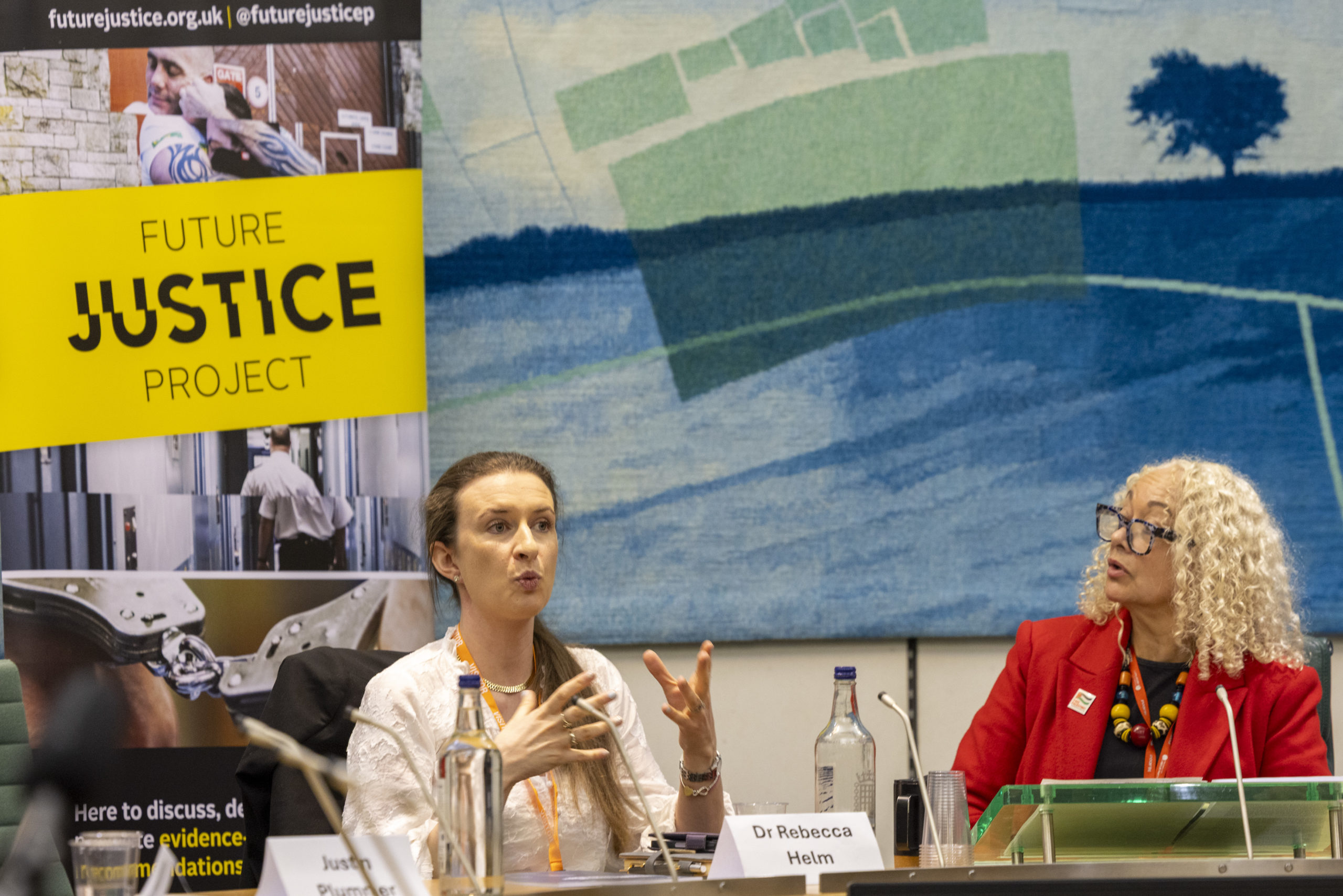
At the launch of the research in Parliament this week, Dr Rebecca Helm described how more than a third of miscarriages of justice involve the testimony of a non-expert witness. Helm described the example of weak eyewitness identification, where a jury has been compelled to convict on the basis of an eyewitness or victim supposedly identifying the defendant as the guilty party.
She said in one case they examined the person looking to appeal their conviction hadn’t been identified in the first ID parade, but had in the second, which took place months later. He was convicted on this basis, despite the fact that he was a different race to the description initially given by this witness at the time of the offence.
Helm said this case is an example of the CCRC not engaging with the scientific evidence that backs up the causes of miscarriages of justice – in this case the evidence that shows the tendency of juries to overestimate the accuracy of eyewitness identifications, and the tendency of witnesses to less accurately identify a suspect when they are of a different race to themself. The report describes how finding new evidence to undermine ‘what was already known at trial to be weak memory evidence’ is ‘clearly difficult if not impossible’.
The report, produced by Exeter University’s Evidence-Based Justice Lab, makes several recommendations for the CCRC, including relying on scientific evidence about memory, honesty, and assumptions based on legal precedents. It also suggests case reviewers more readily consult experts on confessions and memory-based evidence.