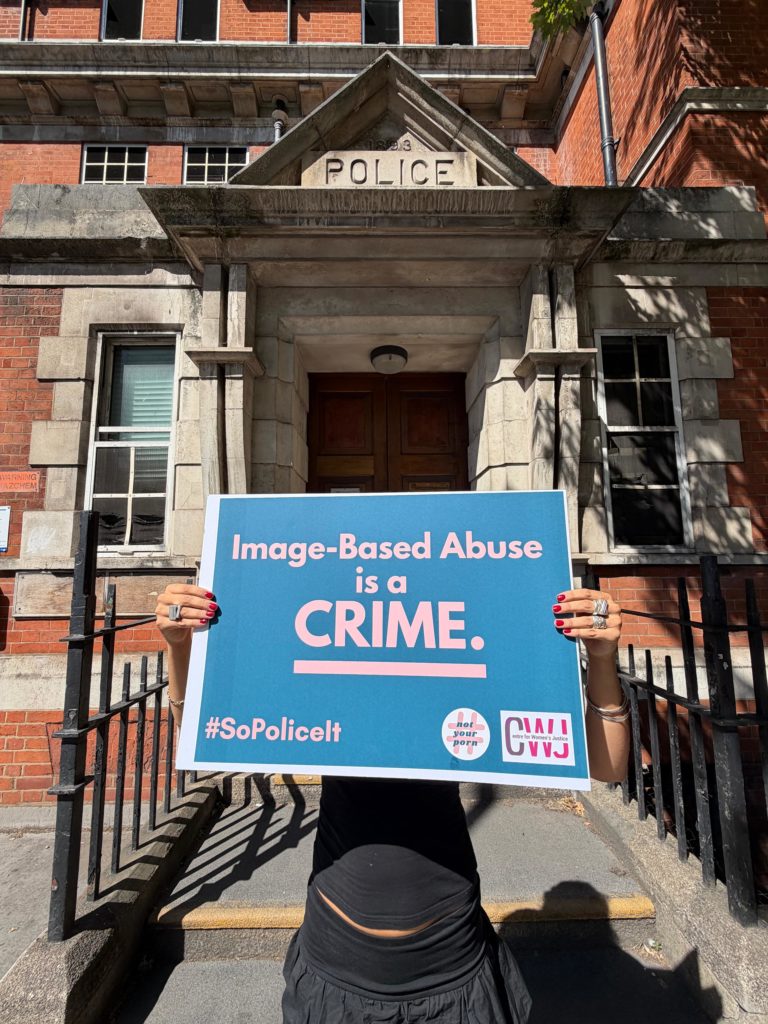

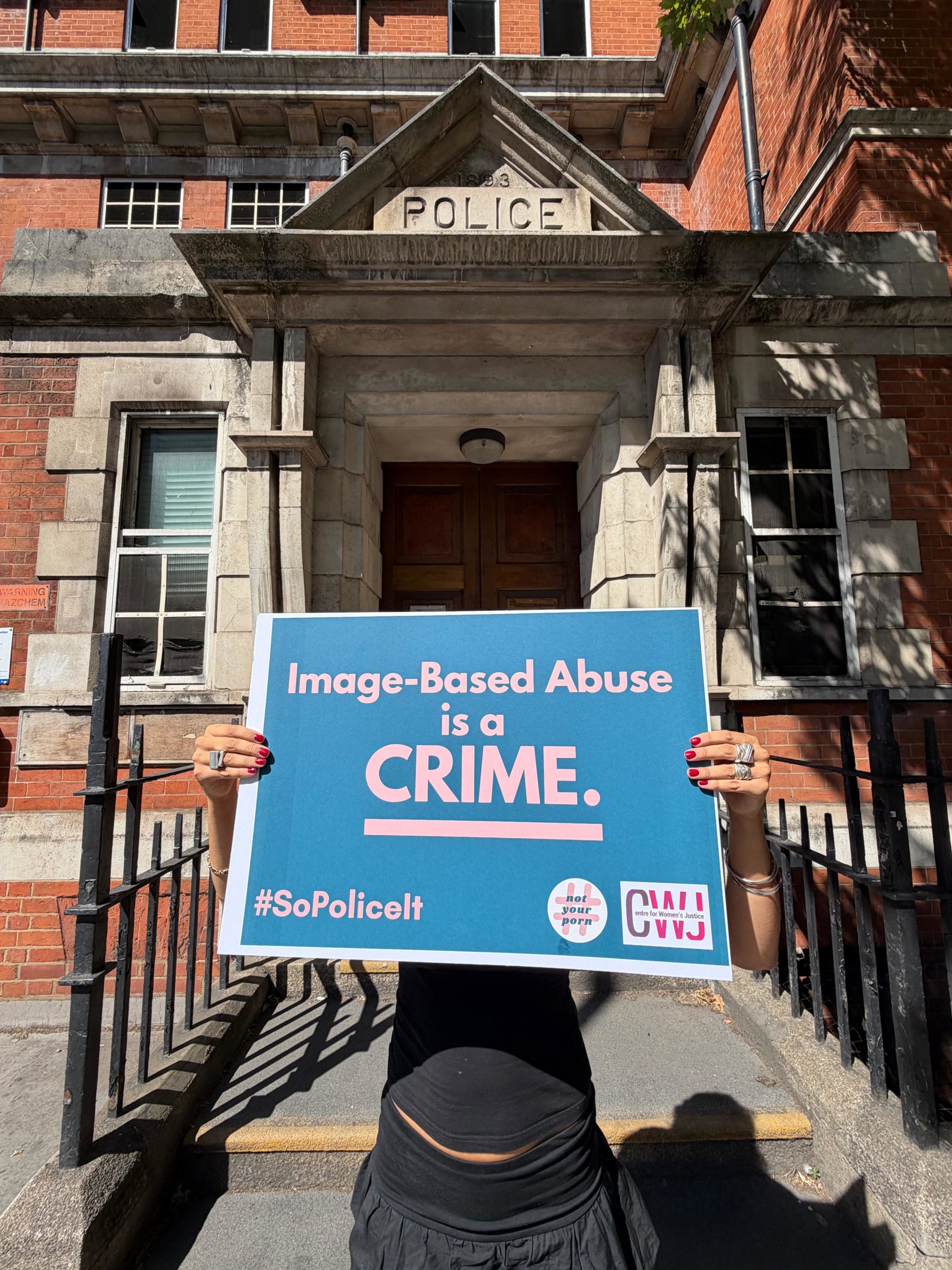
A police super complaint has been launched over forces’ ‘systemic failures’ to police image-based sex crimes.
The challenge draws on testimony from over 100 survivors, police data from across England and Wales, and input from frontline organisations working with survivors of image-based abuse. It says the current policing response to image-based abuse is failing survivors.
Referrals to the Revenge Porn Helpline, about offences like taking and sharing non-consenual intimate photos, increased by over 4,000% from 2015 to 2025. However, across 39 police forces charging rate for image-based abuse offences was just 4.5% in 2025. In some forces it was lower than 1%. Complainants were reporting both ‘revenge porn’ or the creation of real nude or intimate images, as well as things like deepfakes created with AI and other software.
The complaint reveals in some police forces, rates have actually decreased since the introduction of new image-based abuse offences in the Online Safety Act 2023.
The authors of the complaint, who include the Centre for Women’s Justice and the #NotYourPorn campaign group, found police responses to these reports by survivors were fragmented, inconsistent and incapable of meeting the scale of the threat posed by image-based abuse.
Their research suggests 44% of survivors chose not to report what had happened to them to the police. Of those who did report, 65% described issues with evidence gathering in their case and only 15% said that the police took steps to take down their images. Victims also reported that police officers had ‘poor understanding’ of online platforms and digital evidence. Many were asked to gather evidence of their own non-consensual content, forced to ask friends or family members to download and screenshot humiliating images due to police inaction.
Claire Powell an Associate Solicitor at Leigh Day, said survivors have described how police responses have ‘left them feeling powerless, humiliated, and as if they are somehow to blame for the crimes committed against them’.
‘Our evidence shows that in the absence of proper enforcement, the new laws which campaigners have worked tirelessly to have introduced, do not protect survivors, and perpetrators remain able to act with impunity. Drastic improvements are necessary and our recommendations are targeted at establishing a national standard for policing image-based abuse to ensure all survivors receive proper access to justice.’
A police super complaint is a formal process that allows designated watchdog organisations and charities to raise systemic issues regarding harmful patterns, trends, or practices in UK policing.