

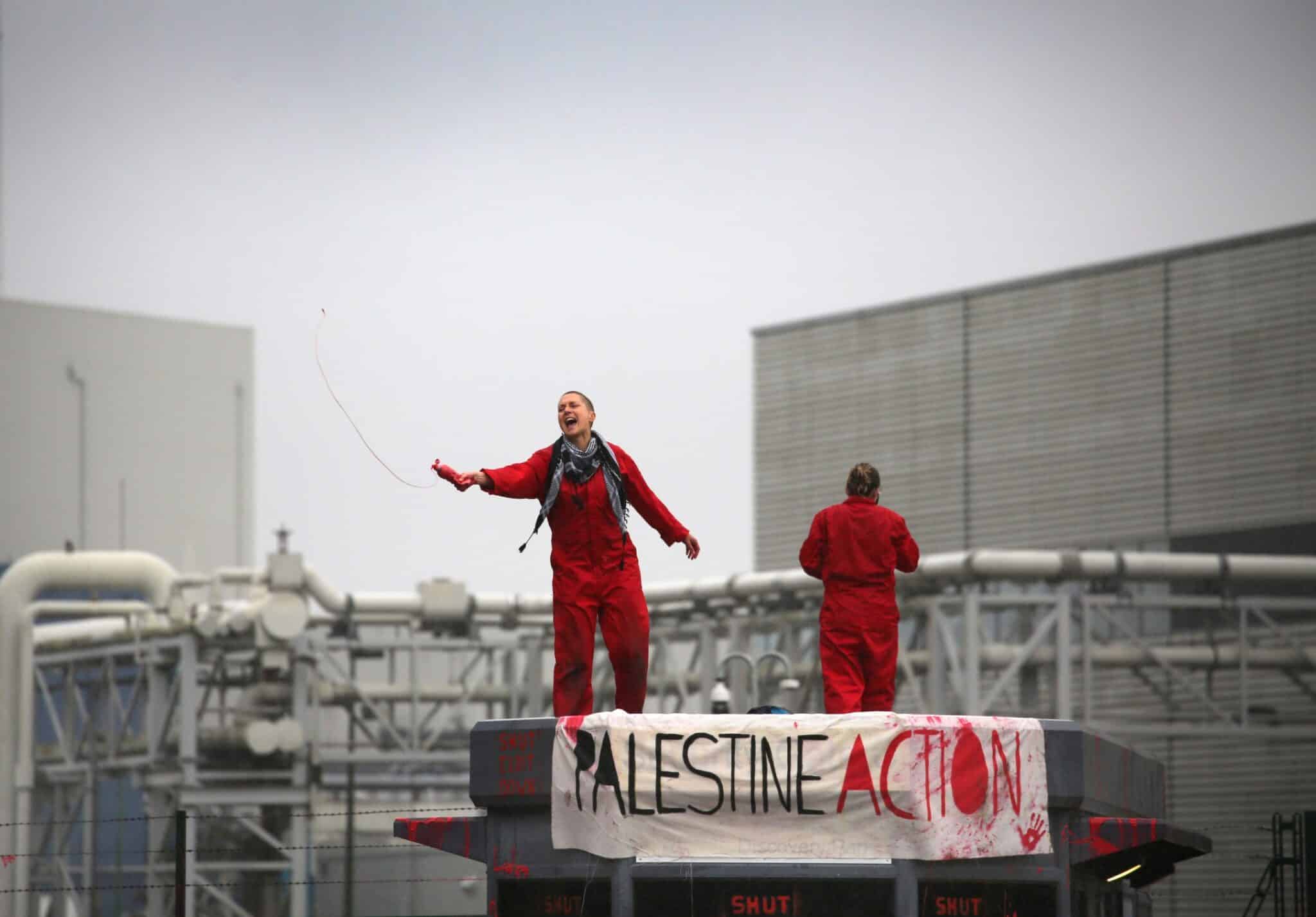
A leading human rights barrister is facing possible contempt proceedings over a closing speech to jurors in a Palestine Action trial, in what is believed to be an unprecedented case against an advocate over a jury address.
Rajiv Menon KC is accused of breaching Mr Justice Johnson’s directions during the first trial of six Palestine Action activists, including Charlotte Head, whom he represented. The allegation centres on Menon’s potential raising of jury equity — the principle that jurors may acquit a defendant according to conscience, even where no formal legal defence is available — during his closing speech. According to The Guardian, the case is believed to be the first contempt case brought against a barrister over a jury speech in living memory, and potentially in history.
👉NEW — Michael Mansfield ‘extremely concerned’ by case against Palestine Action lawyer
by @daniaakkad
Leading lawyers say the proceedings against Rajiv Menon KC put the right to a fair trial at riskhttps://t.co/MJvqmnRJBY
— Declassified UK (@declassifiedUK) May 6, 2026
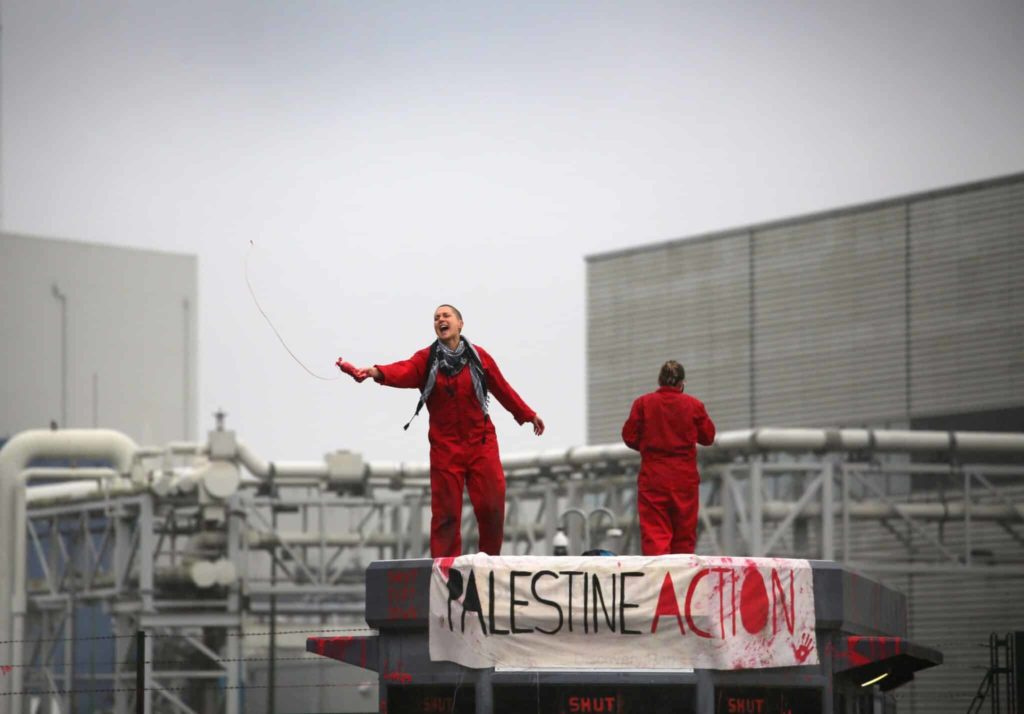
The issue arose after a second jury returned verdicts in the retrial on May 5th. The trial arose from a 2024 Palestine Action protest at an Elbit Systems UK site in Filton, where activists were accused of causing criminal damage. The first trial, which concluded in January, ended without any convictions. Head and three other defendants were convicted of criminal damage following the retrial.
It is alleged that Menon referred to jury equity through references to Bushell’s Case, the 1670 decision associated with establishing jury independence, and an Old Bailey plaque setting out the ‘right of juries to give their verdict according to their convictions’. Before closing speeches began in the first trial, Johnson told jurors that the case might ‘excite strong emotions’, but their decision should be one in which ‘bias, emotion, sympathy, prejudice, political views and matters of that sort play no part’.
Mr Justice Johnson said Menon had ‘asked the jury to apply the principle of jury equity’ and suggested jurors could reach a verdict ‘according to their conscience’. He said the effect of the speech was to invite jurors to disregard his directions and put emotion and their views about Gaza and the Middle East to one side. The case has become part of a wider row over jury independence. Protesters outside Woolwich crown court were arrested during the retrial while holding signs about jury equity, including one that read: ‘Jurors have an absolute right to acquit according to their conscience’.
The case against Menon comes as the government seeks to end jury trials in criminal cases carrying a likely sentence of three years or less under the Courts and Tribunals Bill. The government says the change is needed to reduce the Crown Court backlog, while legal advocacy groups, such as The Law Society and Bar of England and Wales, have warned that limiting jury trials is unlikely to make a major difference and would damage fairness and trust in the criminal justice system.
Menon’s lawyers have challenged the case against him. A Court of Appeal hearing has been scheduled for June 15th to determine whether the proceedings against Menon continue.