
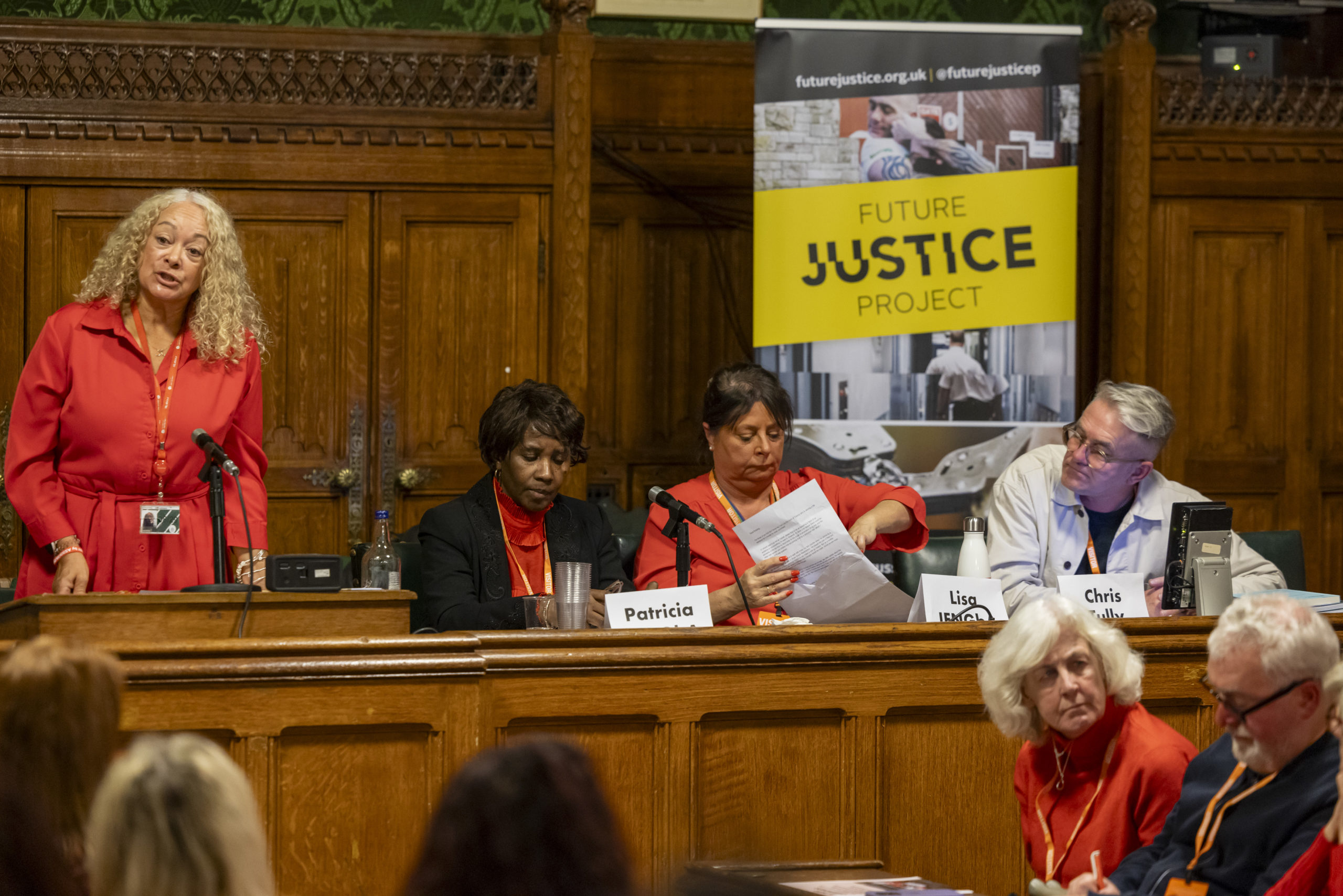
It has been ten years since the Supreme Court admitted that the law on joint enterprise had ‘taken a wrong turn.’ The Jogee ruling was meant to reset a system that had allowed people – often young people, often Black – to be convicted for the actions of others, sometimes with little more than presence or association being treated as proof of intent. That moment in 2016 felt like a watershed. Campaigners and families hoped the days of sweeping prosecutions, built on guilt by proximity or association, were numbered.
A decade later, those hopes have not been realised. The uncomfortable truth is that, despite Jogee, the injustices that scarred so many families before 2016 not only persist – they have in some cases become even more entrenched.
Recent Crown Prosecution Service data, collected after years of pressure from JENGbA, Liberty and others, paints a stark picture. More than half of those charged under joint enterprise are from ethnic minority backgrounds. Black people are 13 times more likely than their white counterparts to be charged under joint enterprise laws.
Forthcoming research from the Centre for Crime and Justice Studies shows for every ten Black individuals convicted of homicide, around three were convicted in a group of four or more. For White individuals, only one in ten is convicted in such a group.
The racial disproportionality is so severe that, were these figures emerging from policing, education or the NHS, ministers would be on the airwaves announcing emergency reviews. Yet in the criminal courts – where the consequences are life-altering, sometimes life-ending – there is a troubling silence.
The wider trends should alarm anyone who cares about justice. Young people, especially Black boys and young men, remain disproportionately targeted. Children who may have had only fleeting or peripheral involvement in an incident are being swept into the most serious criminal charges we have. Something has gone badly wrong.
To understand why injustice persists, we must be clear about what Jogee did – and did not – do. The ruling corrected the legal test, reiterating that prosecutors must prove intent, rather than merely potential foresight, to encourage or assist a crime. But it did not rewrite the underlying law. Prosecutors still rely on an outdated 19th-century statute that grants enormous discretion in who gets charged. Judges, who are overwhelmingly White and upper class, operate within a system where cultural assumptions – about gangs, about urban youth, about Blackness – too often fill the gaps left by weak evidence. And when discretion meets stereotype, it is marginalised communities who pay the price.
Since entering Parliament, I have made this issue a central part of my work. From my Private Member’s Bill to my role in establishing the Westminster Commission on Joint Enterprise, I have worked closely with families, lawyers, academics and campaigners to build a clear and practical route for change.
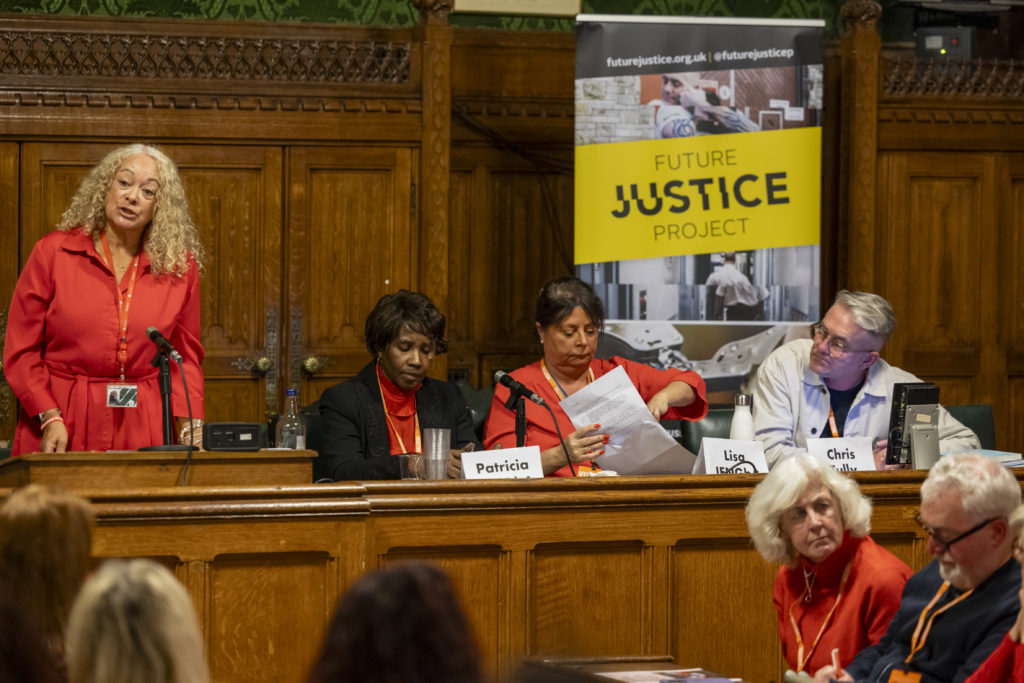
It is in this context that the recent House of Lords debate on 5 February, during the Crime and Policing Bill, was so significant. The amendment – moved by Lord Garnier and co-signed by Lord Ponsonby of Shulbrede, Lord Berkeley of Knighton and Baroness Fox of Buckley, with support from Baroness Brinton and Lord Marks of Henley-on-Thames – underscored the breadth of parliamentary concern. Peers made powerful and constructive contributions, urging the Law Commission to accelerate its examination of joint enterprise and emphasising that we must not be frightened of confronting the significant contribution question head-on. Their interventions added weight to what campaigners, families and many of us in Parliament have been saying for years: reform is overdue and the current law is failing.
At the core of our reform efforts is a simple premise: if someone is to be held responsible for another person’s crime, the prosecution must prove they made a significant contribution to that crime. Not a minor involvement. Not ‘might have foreseen it.’ Not guilt by association. A clear, meaningful, demonstrable contribution.
This is not radical. It is common sense. It is fairness. It is what most people already think the law requires.

The bill attracted broad support from across the House and beyond – including high-profile public figures, legal reform advocates, and families who have fought for years for their voices to be heard. Many shared deep concerns about the racial bias embedded in how joint enterprise is currently used.
The human cost is impossible to ignore. I’ve seen firsthand how joint enterprise convictions devastate families who know their loved ones did not commit the principal offence. I have listened to teenagers describe how their normal social relationships – friendships, neighbourhood ties, who they happened to walk home with – were reinterpreted by prosecutors as evidence of criminal intent. These are not isolated cases. They are symptoms of a system that has lost sight of its own moral and legal foundations.
Ten years after Jogee, this should not be happening. Yet here we are – with racial disparities that shame our justice system and with young people facing life-changing sentences for crimes they did not commit. We cannot claim to believe in justice while sustaining a legal doctrine that criminalises association and punishes young people more for who they know than what they did.
When the state wields its most severe punishments such as decades behind bars, it must do so with precision and fairness. Joint enterprise, even after Jogee, too often delivers the opposite.
That is why I will continue fighting for a change in the law because until joint enterprise truly reflects individual culpability, our justice system will continue to fail the very communities it claims to protect. Justice cannot wait another ten years.