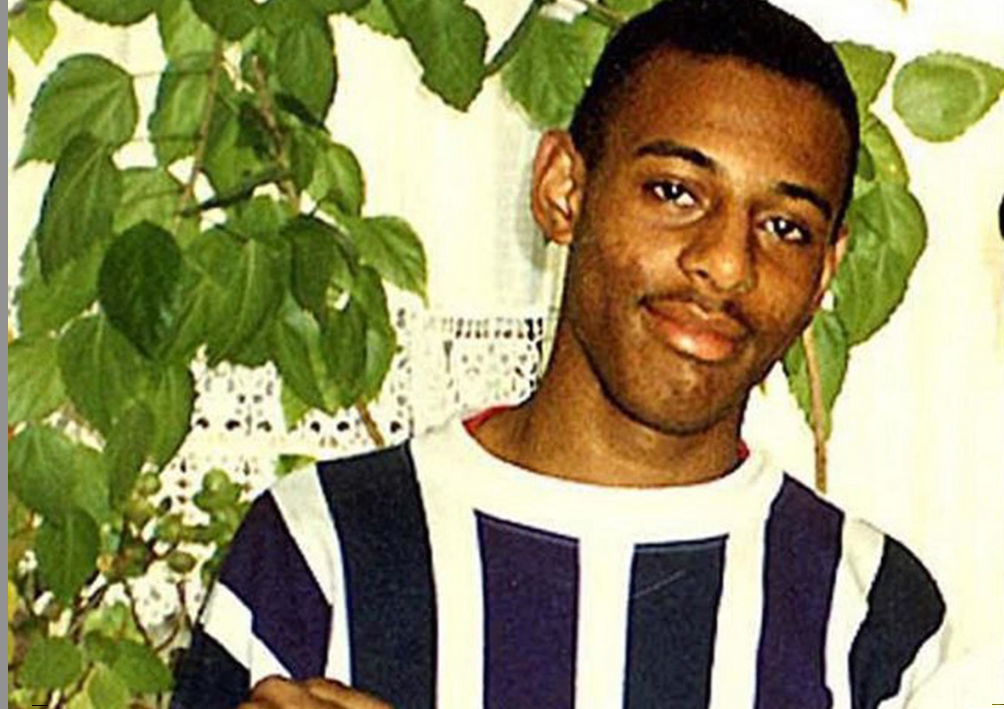


Senior Metropolitan Police officers stopped an undercover officer from revealing to the Macpherson public inquiry that the force had spied on the family of Stephen Lawrence during the 1990s, according to evidence heard by the Undercover Policing Inquiry.
Peter Francis, a former undercover officer in the Met’s Special Demonstration Squad (SDS), said he had ‘hostile and heated’ exchanges with senior managers after insisting the Macpherson panel should be told about the surveillance. He said he was warned that the consequences for him ‘would be bad’ if he continued to push the point.
Francis, who went public in 2013, told the inquiry that collecting intelligence on the Lawrence family and black justice campaigns became a central focus of his deployment. He alleged that a senior officer instructed him to gather anything that could be used to undermine the family’s campaign – a claim denied by the Met. Members of the Macpherson panel have previously said they received no briefing about undercover policing around the inquiry.
The inquiry also heard evidence about long-running SDS practices, including the use of the identities of deceased children for cover purposes. Francis said it was ‘standard practice’ to adopt a dead child’s identity and recalled being instructed to trawl graveyards for suitable names.
Officers routinely obtained birth and death certificates to support their identities, a practice that continued for almost three decades until records were digitised. Francis told the inquiry the method showed ‘zero, I mean zero, thought for the parents of the dead children’.
Francis said some officers believed that minor offending while undercover would be tolerated, and that they were told any crime ‘up to actual bodily harm’ was acceptable. He also described regular racist remarks within the unit, including comments aimed at the Lawrence family and at Stephen’s friend Duwayne Brooks.
The Undercover Policing Inquiry, announced following disclosures about undercover monitoring of the Lawrence family, is examining covert policing over more than four decades since 1968. It is considering the conduct of around 139 officers who infiltrated political and justice campaigns.
Evidence hearings for this tranche of the inquiry, focusing on the period from 1993-2007, will continue for the next fortnight.