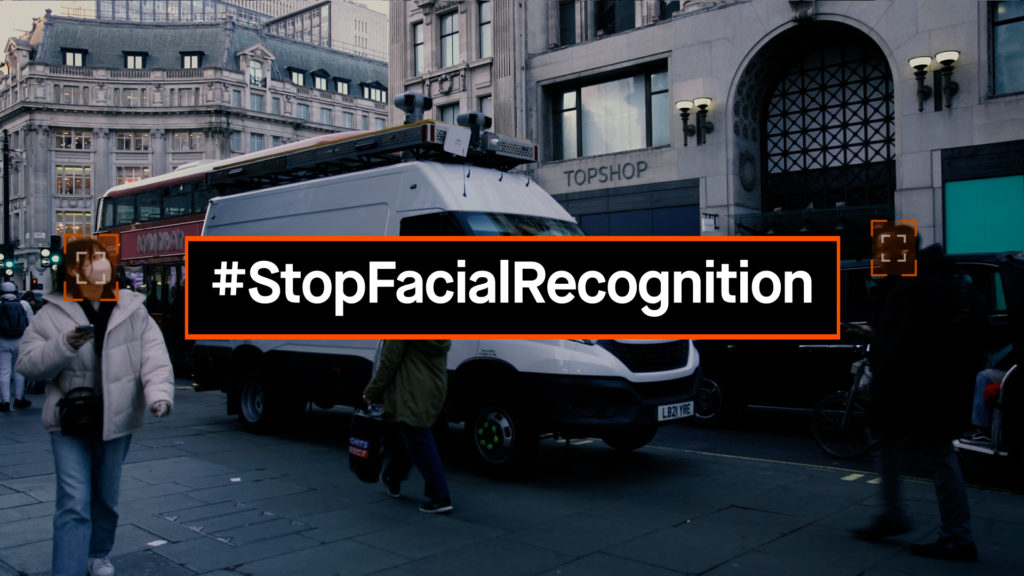


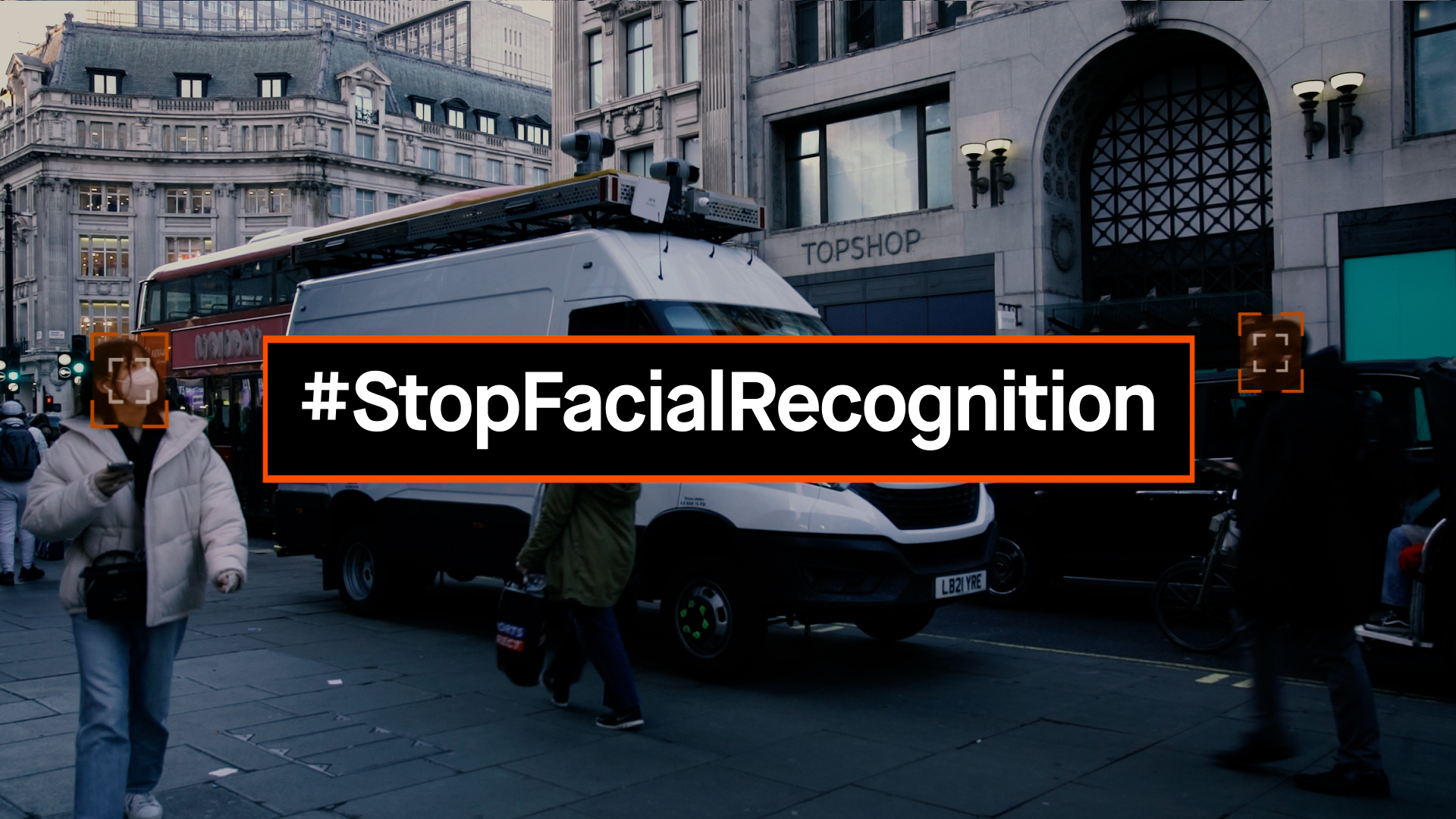
The Home Office has announced plans to expand the use of facial recognition in police operations to tackle crime. A 10-week consultation period has been set to examine the views of the public to these proposed reforms.
Silkie Carlo, director of Big Brother Watch, voiced unease that the country would be ‘turned into an open prison’ under the widening developments of storing facial data recognition data. The group said this week that facial recognition surveillance is ‘out of control’, and noted the police’s own records show over 7 million innocent people in England and Wales have been scanned by police facial recognition cameras in the last 12 months.
In a statement Carlo said: ‘Live facial recognition could be the end of privacy as we know it. With the government now threatening to introduce mandatory ID cards with our facial biometrics on them too, we are hurtling towards an authoritarian surveillance state that would make Orwell roll in his grave.’
Sarah Jones the UK’s Policing and Crime Minister stressed the technology could be ‘the biggest breakthrough’ in catching criminals since DNA matching, crediting the tool with helping to arrest thousands of criminals.
As previously reported by the Justice Gap, the initial push for expanded use of facial recognition was met with widespread criticism, with one MP deriding ‘a suspicion-less mass surveillance tool that has no place in Britain’. Rights organisation, Amnesty, said in 2020 that this technology ‘puts many human rights at risk’ including the right to privacy and freedom of expression.
The Home Office has highlighted since 2023 the Metropolitan Police has made 1,300 arrests using the facial recognition technology. To ensure safeguarding, the government is proposing to create a regulator to oversee the police usage.