

Parole board hearings are to be held in public for the first time as a result of a review set up in the wake of the John Worboys scandal. Currently, all parole hearings are held in private as set out in the Parole Board Rules 2019 but that blanket ban is to end in spring of this year although the ‘vast majority’ of cases are expected to remain private.
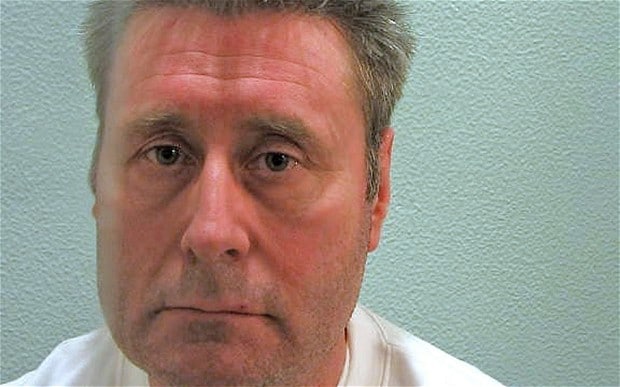
The furore over the possible release of the notorious ‘black cab rapist’ John Worboys having spent less than nine years in prison prompted calls for a review of the parole board’s decision-making (as reported here). The fact that his many victims were unable to make representations to the parole board hearing that decided that Worboys should be released led to outrage which triggered the ‘root and branch’ review.
The change will enable victims, the media or the wider public to make a request for a public hearing. The chair of the parole board will then decide whether an open hearing would be ‘in the interests of justice’. The government was not persuaded by the arguments put forward by a minority of respondents calling for all parole hearings to be open to the public or that public hearings should be the ‘default’ position. The Ministry of Justice called the current blanket ban ‘unnecessary’ and that ‘victims, offenders, the media or the wider public should have the right to make a request for a public hearing, and to have that request considered’.
The MoJ took the view that it was ‘right’ for the parole board to decide applications ‘mirroring the approach’ taken by mental health tribunals. ‘It is important to stress that we consider it would only be in a small minority of cases where an application for a public hearing is likely to be made, and where the parole board would consider the case for a truly public hearing to have been met,’ the review said. It also suggested that ‘virtual’ attendance via video link was likely to be the’ preferred option’. ‘This has the advantage of minimising the risk of disruption, increasing capacity and allowing victims to easily step away if they become distressed or would rather not hear certain details of the case discussed,’ the review noted.
The government has indicated that victims and the prisoner themselves will be consulted before a decision is reached and, although neither will have a veto, the parole board is unlikely to agree to a public hearing where it will cause ‘significant distress’ to victims or where the victims are children.
The Parole Board chief executive Martin Jones has previously said he would ‘have no problem, in a particularly high-profile case with a high level of public interest, to move the parole hearing into a court building’. ‘Why not hold a hearing where you can have victims sitting in the public gallery and journalists watching that?’ he said (as reported here).
Last year one of Britain’s most notorious prisoners Charles Salvador (previously Charles Bronson) challenged the ban on parole hearings being held in public. His legal team argued that the Parole Board Rules 2019, rule 15(3) requiring parole board hearings to be held in private offended the principle of open justice as well as being in breach of the article six right to a fair and public hearing (as reported here).
Solicitor Dean Kingham and barrister Matt Stanbury represented John Worboys and the related Wakenshaw case about the independence of the Parole Board. Kingham said he was ‘very pleased’ that the parole board would be ‘effectively brought inline with the mental health review tribunal system and enable appropriate hearings to be conducted in public’. ‘We don’t envisage many parole hearings in public but for those stuck in deep custody, severely over tariff and being prevented progression by the Ministry of Justice we feel it will shine a light on the custodial issues,’ Kingham said. ‘Much of the public don’t understand the work of the parole board and this will help educate and show that obtaining release by the Board is not easy.’
‘The Ministry of Justice has the ability to keep high profile prisoners as political prisoners by keeping them category A,’ he explained. ‘That process is not overly fair and the team very secretive with little scrutiny. Prisoners like Salvador can be prevented from progressing by being kept in deep custody. An open parole parole process will enable a bright light to be shone on the system.’
‘It’s right that prisoners should be able to ask for their parole hearing to be in public, particularly in cases like this in where there is such huge public interest,’ commented Stanbury. ‘Public hearings in appropriate cases will shine a light on the darker corners of the prison system, and in particular on those held in deep custody. ’
Peter Dawson, director of the Prison Reform Trust, was disappointed with the review. ‘No other aspect of the “root and branch” review of parole has yet been made subject to consultation, and we can only hope that the review will now turn its attention to the question of why so few people are released on their parole eligibility date,’ Dawson said. ‘The key issues are not about the parole board but about the prison and probation systems on which prisoners rely in order to be safely released in the first place, and to make a successful return to the community when they are.’
Lucy Frazer MP, prisons minister, said the government ‘wants victims to be allowed to attend parole hearings if they wish but we appreciate many would find a public hearing distressing’. ‘Our ongoing root-and-branch review will consider how to achieve victim attendance so that they can see first-hand how decisions have been reached in a comfortable and supportive setting,’ she said.