

Four Palestine Action activists, the ‘Filton Four’, have launched an appeal against being sentenced on the basis of a ‘terrorist connection’ despite never being convicted of a terrorism offence.
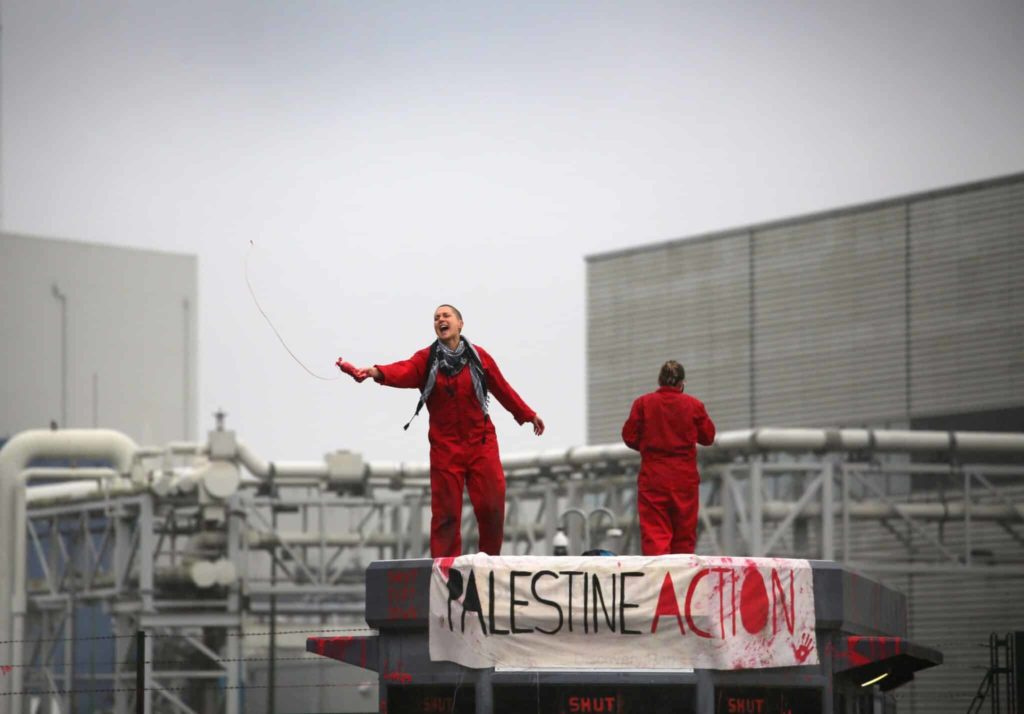
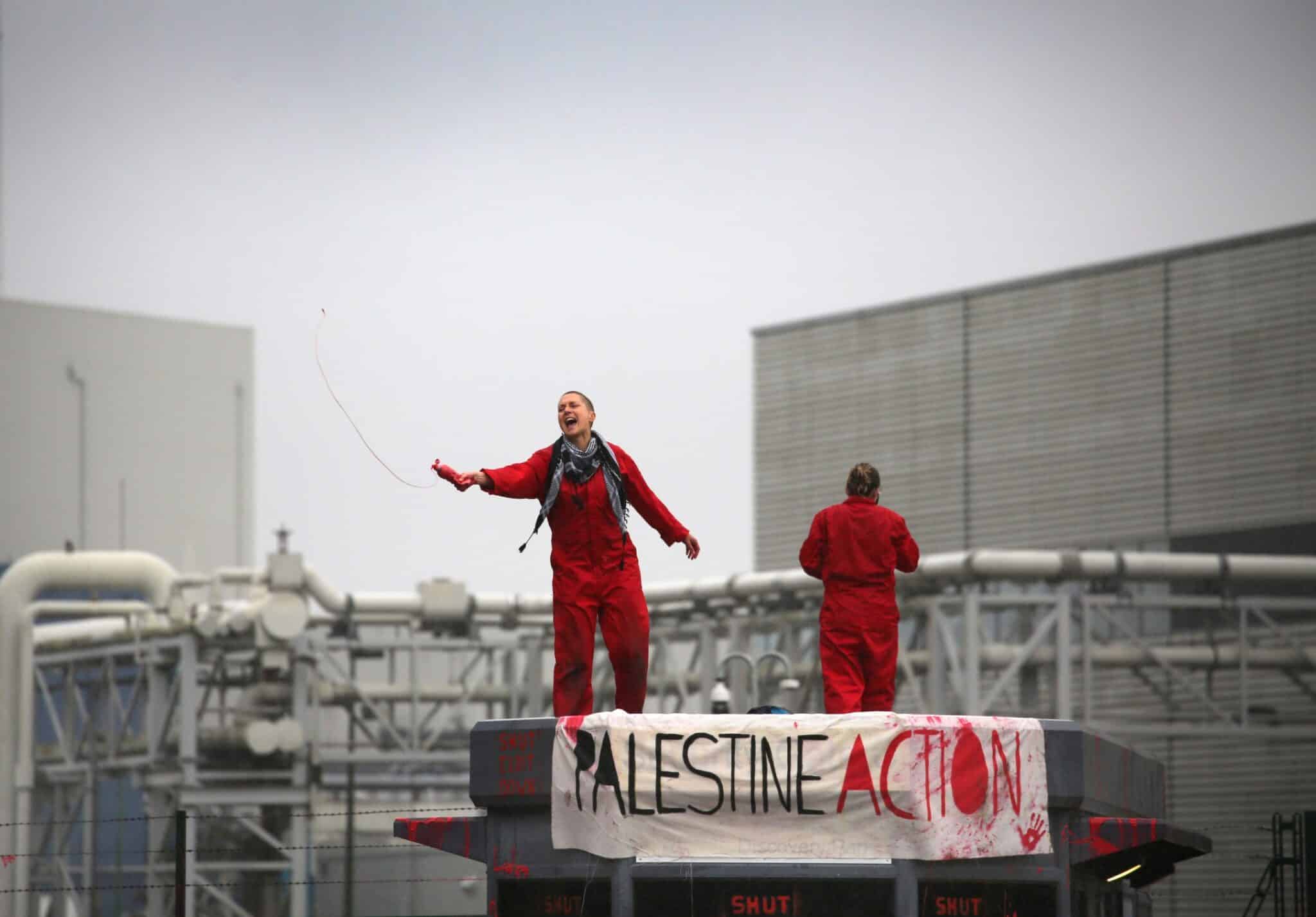
Charlotte Head, Leona Kamio, Fatema Rajwani, and Samuel Corner were convicted of criminal damage following a 2024 raid on an Elbit Systems factory near Bristol.
They received sentences ranging from five years and eight months to eight years and eight months.
Due to the terrorist-connection finding, they must serve two-thirds of their sentences, longer than the norm, and retract their political views to obtain parole.
‘[My daughter] will be 50 years old before state harassment ends for her,’ Kamio’s mother said during a 3 September press conference announcing the appeal.
Palestine Action was not designated as a terrorist organisation at the time of the raid. During trial, the defendants were also not allowed to discuss ideological reasons for the raid or the case’s potential terrorist designation.
However, Mr Justice Johnson ruled that their offending had a ‘terrorist connection’ under section 69 of the Sentencing Act 2020, resulting in longer sentences and 15 years of terrorist notification requirements.
At sentencing, Johnson reasoned that the criminal damage was ‘designed to influence the British government’ and advance a political or ideological cause.
The appeal challenges the sentences as ‘manifestly excessive’ and argues that the terrorism finding breached their rights under Articles 6 and 7 of the European Convention on Human Rights (ECHR), which are given effect in UK law through the Human Rights Act.
‘We also say there was no intention to influence the government’, Nata told reporters. ‘The intention here was simply to damage weapons to stop them being sent to Israel’.
The activists argue that the legal definition of terrorism was not met and challenge the ability of a judge to impose the terrorism finding when it was never determined by the jury.
More than 50 lawyers and legal experts criticised the approach before sentencing. Michael Mansfield KC called it a ‘constitutional threat’, arguing that the state was ‘recategorising the offence without a trial’.
Palestine Action states that its ‘key target’ is Elbit Systems due to its reliance ‘on the destruction of Palestine and the ethnic cleansing of the population’.
‘[U]nderstanding that people are willing to sacrifice their liberty in order to shut them down or end their links with a primary target, is incredibly powerful … It shows them that whilst they can call the police on us, we still hold power as we are willing to confront the worst they can feasibly do to us here – which is incomparable to what happens to the Palestinian people.’
The appeal follows a separate ruling last month in which five Palestine Action activists convicted of damaging a Barclays branch were not given terrorist-connected sentences after a judge found their offending did not meet the required threshold.
A single judge will initially decide whether the four can proceed with their appeal.