
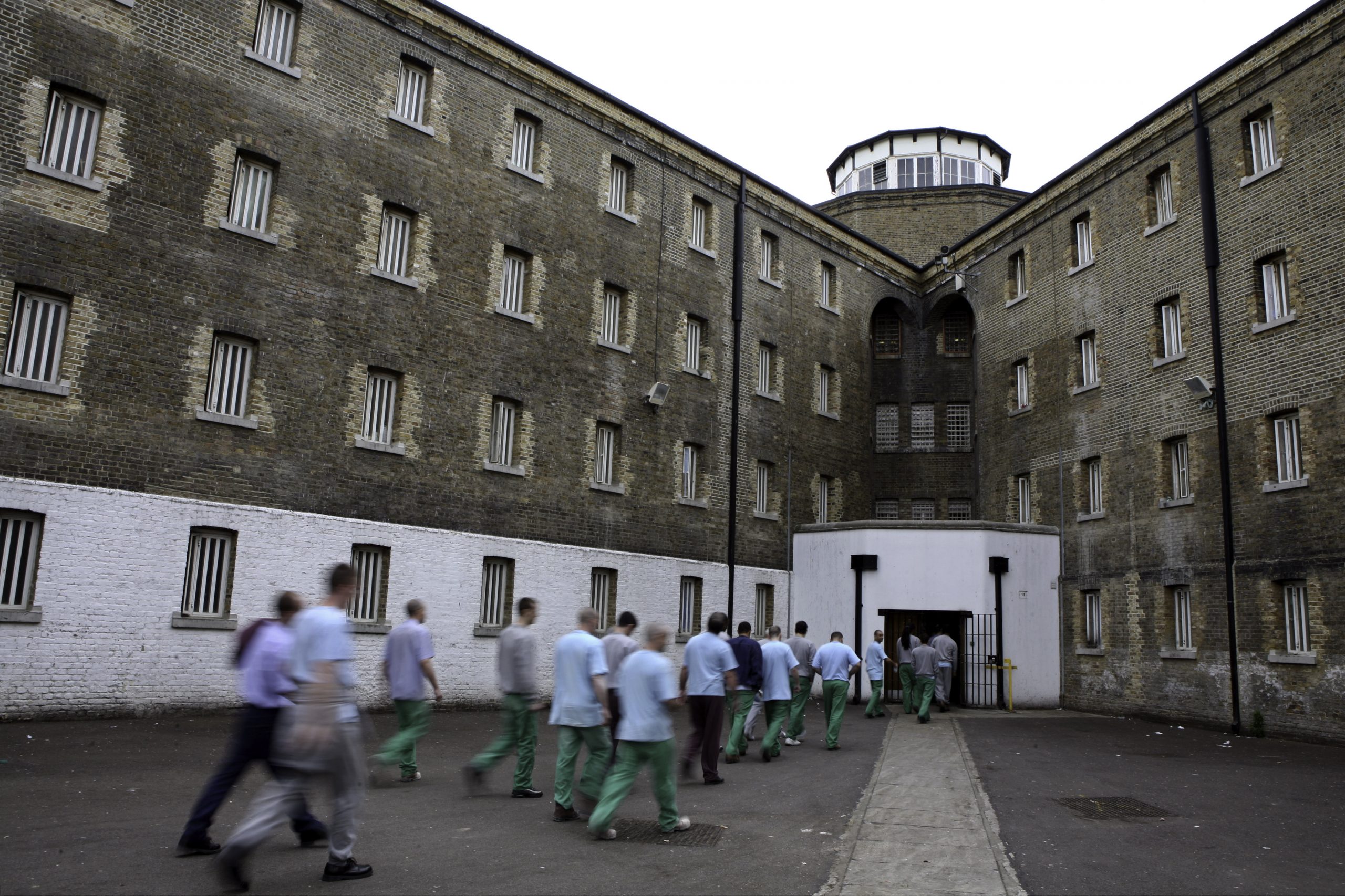


His Majesty’s Inspectorate of Prisons (HMIP) has reported concerns about mental health care at HMP Long Lartin, citing delays in hospital transfers and multiple self-inflicted deaths among prisoners.
Since the last inspection, which took place in 2024, inspectors found that there had been four self-inflicted deaths, and that ‘the rate of self-harm incidents was higher than at similar prisons’. Inspectors ultimately concluded that ‘support for prisoners in crisis was poor’, highlighting ongoing concerns that had not been addressed since the previous inspection.
One of the main concerns involved the transfer of patients to hospital. The Mental Health Act 1983, specifically sections 47 and 48, sets out the procedures for the transfer of sentenced prisoners to hospital. HMIP notes in its report that ‘there had been 12 transfers of patients to mental health facilities in the previous 12 months, only one of which was within the recommended 28 days’.
The inspection also highlighted staffing shortages as one of the barriers to effective mental health care. The prison reportedly has only two experienced psychiatrists available for two days per week. Inspectors described this as ‘inadequate’ given the high number of prisoners with complex mental health and neurodiverse needs.
The report also notes the absence of a learning disability nurse as further exacerbating delays in assessment and treatment. These shortages are worsened by the lack of adequate consultation rooms. In some cases, mental health assessments ‘took place in unsuitable environments such as the prison gym, where interruptions were inevitable’.
Charlie Taylor, HM Chief Inspector of Prisons, stated that while there had been notable success in reducing drug supply, ‘Too many of our previous concerns had not been addressed, and several remained priorities’.
Although the report acknowledges improvements in tackling drugs and illicit items entering the prison, HMIP further concluded that ‘overall progress needed to speed up’, indicating that key shortcomings in mental health provision, staffing and access to treatment remain unresolved.