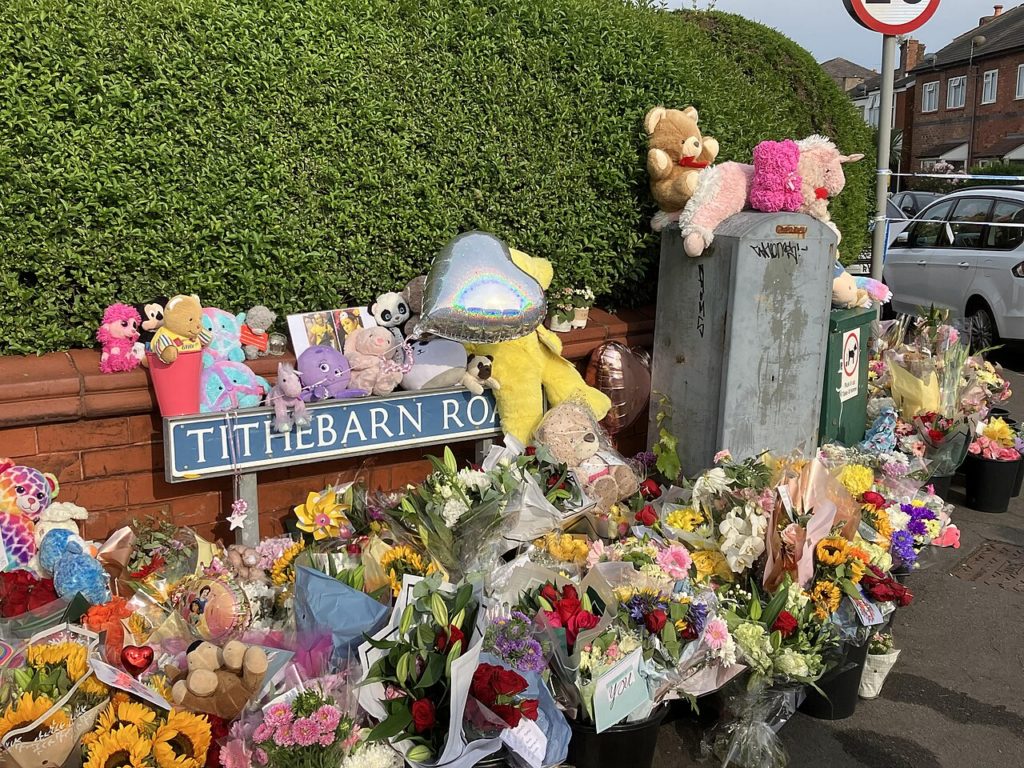

More accountability and urgent reform have been called for following the publication of the Southport Inquiry report on Monday. The inquiry found that the 2024 Southport attack was ‘foreseeable and avoidable’ due to systemic failures across policing, healthcare and social services.
The inquiry examined events leading to the attack at a children’s dance class in Southport. The report identified shortcomings in risk assessments, information-sharing and safeguarding systems that could have prevented this attack. No organisation or multi-agency arrangement took overall responsibility for assessing the risk posed by the attacker, and the Home Secretary acknowledged that ‘he fell between the gaps’ in the prevention services where he had already been identified as a risk on several occasions.
The victims’ families have demanded three key reforms to prevent similar attacks in the future: improved information sharing between agencies, stronger measures to minimise risks and greater initiative from authorities to intervene when needed. Chris Walker, a lawyer working on behalf of the families, warned that people who failed in their public service jobs leading up to this attack will be publicly named unless appropriate disciplinary action is taken. He argues that these murders were ‘not only predictable, they were preventable’.
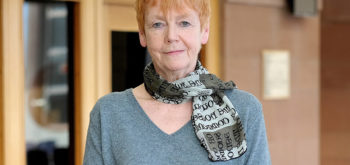
Former Victims Commissioner, Vera Baird KC has argued that public agencies should be held ‘personally accountable’ and authorities should not ‘shrug it off’ with an apology. Disciplinary action must be taken so that the involved parties won’t make ‘the same mistakes today’.
The Children’s Commissioner for England, Dame Rachel de Souza, also identified how ‘most at-risk children’ become ‘invisible’ in a fragmented safeguarding system. She called for the inquiry to lead to reforms that ensure that ‘services are required to take responsibility, share information and work together’.
Chief Constable of Merseyside Police, Rob Carden acknowledged and welcomed the report findings. While he praised the emergency service response on the day, he accepted that there was more ‘need for clarity in communication between partners’. This was echoed by Sacha Hatchett, Chief Constable of Lancashire Constabulary, who emphasised the importance of improving the safeguarding process and coordination between multi-agencies.
The Home Secretary acknowledged the findings of Phase 1 by committing to review the report’s 67 recommendations and to respond in full this summer. The Home Office and the Counter Terrorism Policing are also working together to strengthen the Prevent Programme to ensure similar cases are handled more effectively in the future. Discussions have also began around banning social media access for children and tightening legislation on purchasing weapons.
The inquiry will now move onto Phase 2, which aims to produce a report by May 2027 examining broader structural issues in safeguarding and public protection. It will consider whether reforms are needed to Prevent and counter-terrorism processes, how intelligence is shared between agencies, how risk assessments are conducted and whether systemic institutional failures contributed to the attack.