
A man who spent more than 16 years in prison for the murder of his father has become the first serving prisoner to pass the solicitors’ qualifying exams. Mark Alexander, who has always maintained his innocence and whose case has featured on the Justice Gap, has written about his experience for the Longford Trust website (here).
‘In the fever-dream of prison life, and the seeming inertia of a system that can all too easily consume every part of your being, studying instilled the passing years with meaning and purpose,’ he said. ‘It allowed me to transcend the reality of my confinement in ways that few other things could. My books took me to the far corners of the world, transporting me back in time while showing me visions of a radically different future.’
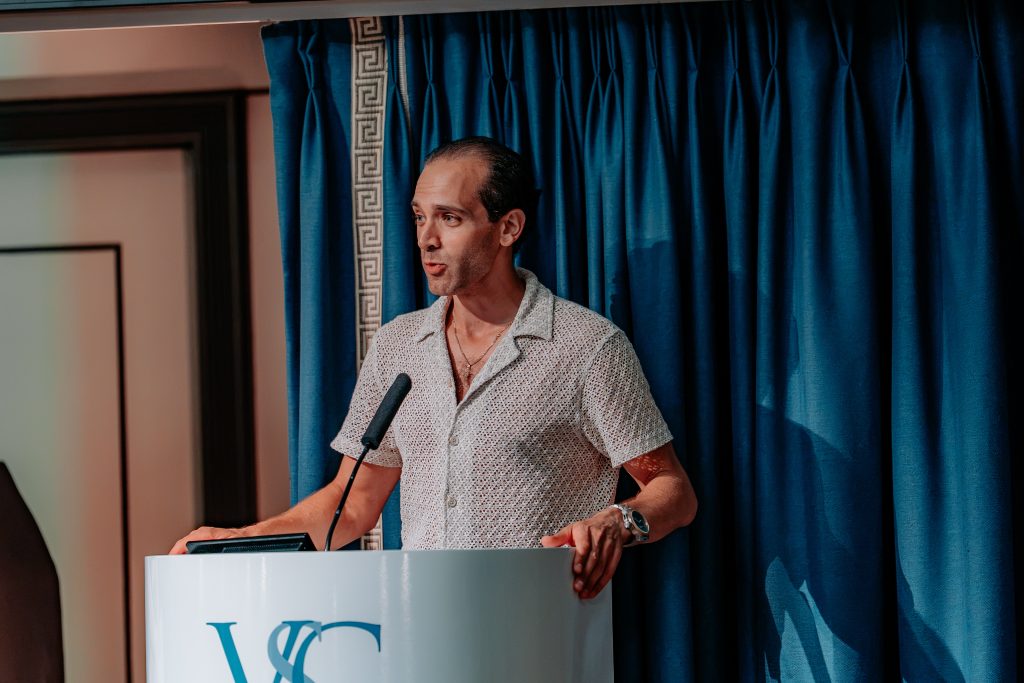
Alexander was 22 and in the final year of a law degree when he was charged with the murder of his 70-year-old father. He denies any involvement in the killing. He attended the awards ceremony just four weeks after having spent 16 years in prison. He recalled how he was introduced: ‘Sentenced to life imprisonment at the age of 22, he had been just seven weeks away from graduating in law at King’s College London…’
Alexander paid tribute to the Longford Trust who, he said, was ‘the first organisation to really believe in me after everything that had happened’ when he received the Patrick Pakenham Award for Law, normally reserved for students who had already been released, in 2016. ‘That basic spark of humanity and empathy changed everything,’ he wrote. ‘Before long, I had completed my Bachelor of Laws degree and was embarking upon my Master of Laws through the same international programme at the University of London that Nelson Mandela had enrolled on.’
When Alexander moved to an open prison, he studied for an MSc in Social Research Methods at the London School of Economics. ‘Having spent so many years unable to attend lectures or seminars, and without any access to the internet, it felt like an enormous privilege and relief to walk out of those prison gates every morning and make my way to an actual university where I could exchange ideas with other students and learn more collaboratively,’ he said. ‘The results speak for themselves. I came away with a Distinction and a place at the University of Cambridge, where I am now pursuing a part-time PhD in Criminology.’
At the same time, he trained to be a solicitor. ‘The urge to do something in light of everything I had seen of the justice system was profound,’ he wrote.’ The unsettling gap between the ideals espoused in our lecture theatres and the reality of legal practice was not something I could ignore.’
He is now looking for a law firm where he can do at least two years’ supervised work experience before he can be registered on the Roll of Solicitors.