
On Monday, a parliamentary committee heard how victims of several public scandals have faced significant barriers to receiving rightful compensation, highlighting the need for the UK government to optimise its compensation schemes and provide proper assistance to victims.
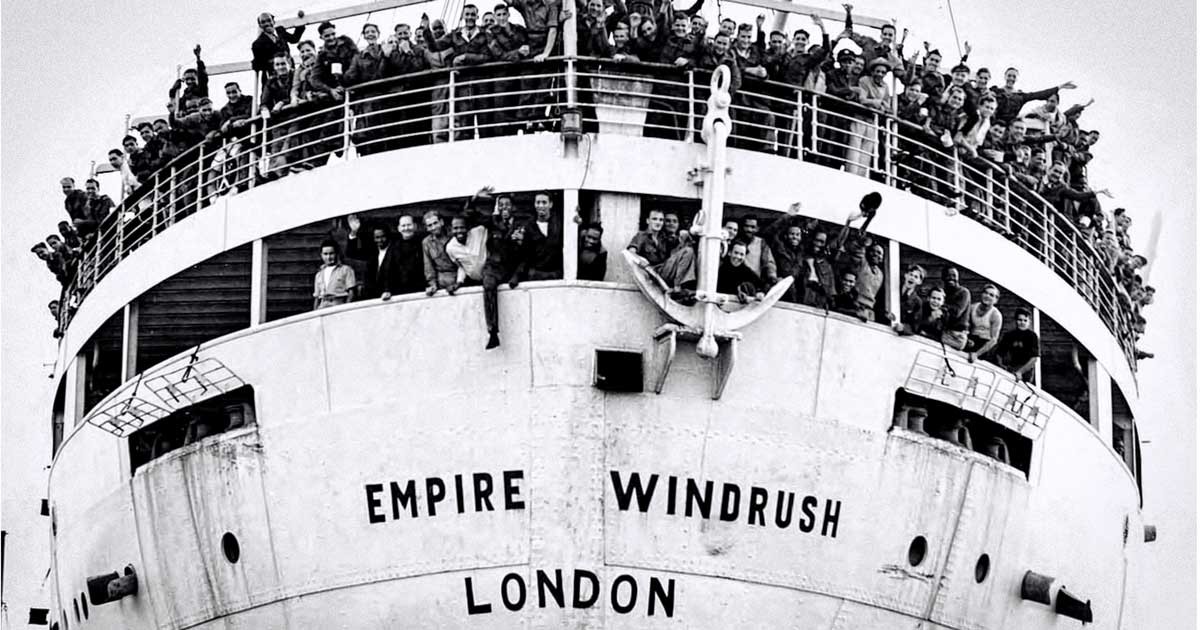
The Public Accounts Committee (PAC) heard evidence from victims affected by the Windrush, Infected Blood, and Horizon IT scandals, as well as veterans impacted by the LGBT ban in the military. Victims described being ‘retraumatised by the process’ of seeking compensation, with many expressing frustration at the lack of trust and disconnect between the schemes and affected communities. While some improvements have been made—such as increased transparency, reduced delays, and better engagement—Reverend Clive Foster, representing Windrush victims, noted that ‘trust is still very fragile’.
During the session, Kate Burt, speaking for victims of the Infected Blood scandal, criticised the Infected Blood Compensation Authority for focusing on creating a ‘perfect system’ rather than addressing urgent needs. Despite a budget of £171 million a year and over 350 claim managers, families estimate there are only ‘30 to 40 live claims’. Burt questioned whether the Authority was truly listening to victims, as the ‘claim system seems to have completely stalled’.
Representatives also raised concerns about inadequate efforts to inform potential victims about available compensation schemes. Peter Gibson, representing LGBT veterans, described the outreach as ‘woefully inadequate’, while Reverend Foster highlighted that awareness of the Windrush scheme has been ‘fading over recent years’, with many unaware that the scheme remains open.
Sir Alan Bates, representing sub-postmasters affected by the Horizon IT scandal, said the scheme had become ‘bogged down in lawyers’, despite assurances it would be non-legalistic. All representatives agreed that funded legal support is ‘essential for fairness’, yet many victims lack such support or rely on pro bono work. A study last year found that Windrush claimants who received legal advice saw significant increases in compensation, with one payout rising from £300 to £170,000. However, Reverend Foster noted that ‘56 out of 100’ applications still result in no payment.
The Committee also heard that for many, justice involves more than financial compensation. Gibson emphasised the importance of official apologies, participation in remembrance marches, and replacement berets for LGBT veterans as ways to ‘restore pride and get justice’.
Problems with government-led compensation schemes have been identified since 2024 by the National Audit Office, which reported that a lack of coordination leads to slow, ad-hoc schemes and delays. The Public Office (Accountability) Bill, confirmed in the King’s Speech in May, proposes free legal aid for citizens at inquests involving public bodies, potentially transforming access to legal support for victims.
The inquiry into government compensation schemes by the committee continues. The next evidence session will be held on Thursday, 4 June, with government officials.