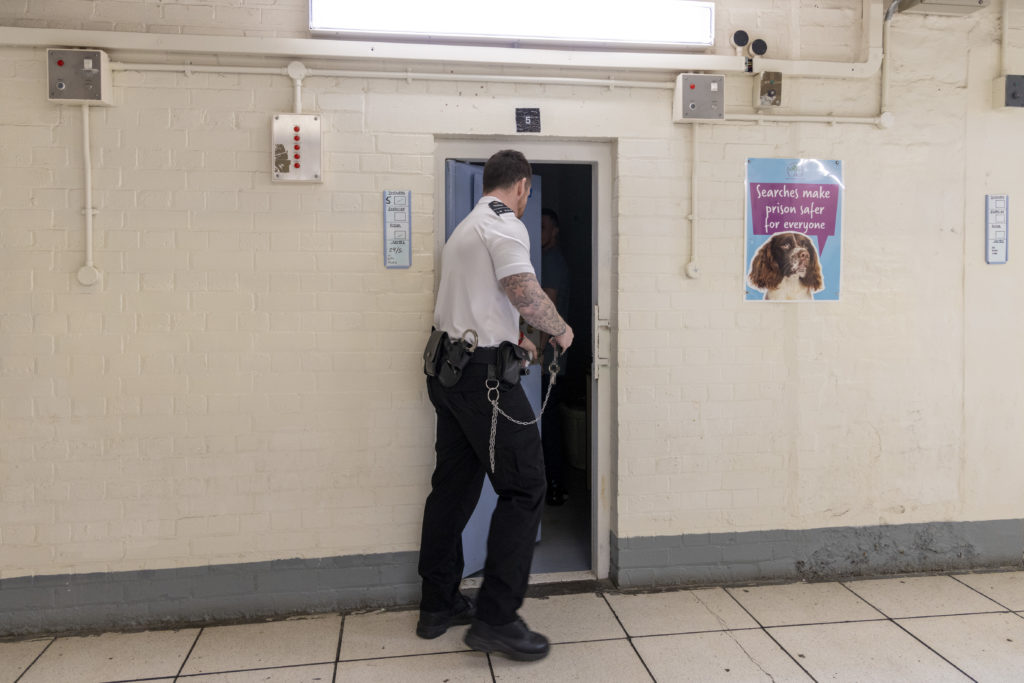



The Times has reported persistent issues regarding the root cause of delayed court hearings in the past year: prisoner transportation. They provide multiple claims stating that the late delivery of defendants from prisons is a significant cause of these delays, while government figures suggest that prisoner transport delays are rare.
Yet, new evidence from the Bar Council indicates that failures by prison escort services have become a routine cause of delayed court hearings, adding pressure to a justice system that has experienced ongoing court backlogs.
The Ministry of Justice claims that ‘contractor performance for delivering prisoners to court remains consistently above 99 per cent, and this is underpinned by robust data.’ Their statistics indicate that there has only been a total of 310 delays in comparison to the 347,688 prisoners that have been escorted to court.
A barrister from the southeastern circuit states that delays ‘are now endemic due to defendants in custody not being produced at court on time,’ while another in the northern circuit echoes this claim by stating that the failure of Prisoner Escort and Custody Service (PECS) is ‘the single most significant cause of delay to the proceedings of the Crown Court.’
In December 2024, the Guardian also published an article discussing this same issue. They provide further statistics, proving that the failure of PECS to produce the accused has just continued to grow in number by ‘44% on the year before and a near trebling of the number from five years ago.’
Another newsletter dating back to January 2015 by Transform Justice, once again addresses the delays with prisoner transportation. Penelope Gibbs quotes Brian Leveson stating that ‘private contractors are only obliged to meet a 90% success rate in getting prisoners where they are supposed to go.’ Leveson is a highly respected senior English judge who has proposed drastic reforms to the criminal justice system to save it from ‘the brink of collapse.’
David Lammy plans to use the severe backlog as justification for changing the right of trial by jury, aiming the narrative at juries as the primary cause of delays rather than systematic issues. As discussed in Justice Gap, this shift would impact multiple vulnerable demographics.