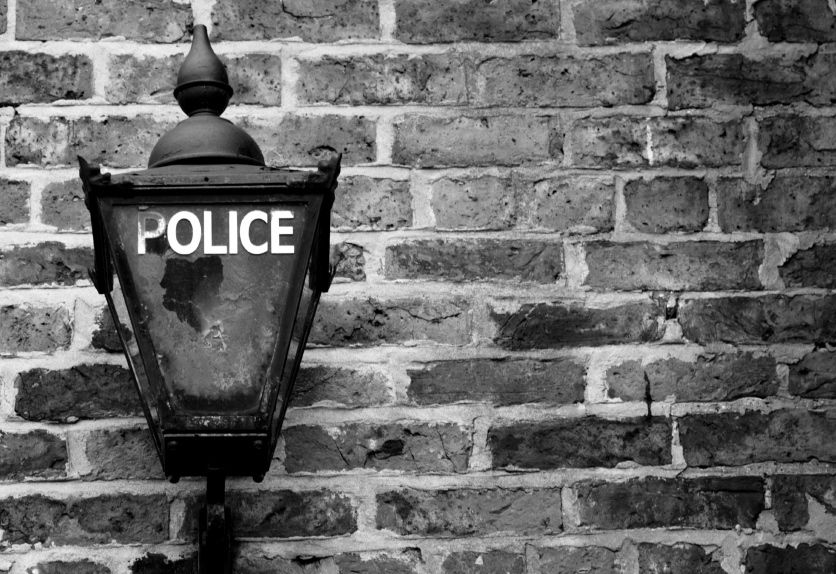

Abuse, racism and sexual harassment have formed part of “one of the most toxic police cultures in the UK”, the Sunday Times reports. Investigations of a phone belonging to a former police officer in the Gwent Police force have uncovered graphic messages, exchanged between current and former officers. These included references to “poofs” and the racist slur “slopes”, as well as pornographic images, misogynist memes, and racist messages about the Grenfell Fire. One notable exchange included the offer to help someone conceal assets from their spouse in advance of divorce proceedings, an activity amounting to fraud, and punishable with a prison sentence.
The investigation has also brought to light the case of Clarke Joslyn, who resigned from Gwent Police in 2018 while facing a misconduct hearing for
“domineering, controlling and physically abusive behaviour” to female police officers. Gwent Police had known about similar behaviour since 2012. Joslyn, having harassed his former partner, had been issued with a court order. Even having breached it, he was allowed to continue serving as an officer. Moreover, female police officers who accused Joslyn were fired and even arrested on spurious grounds. Other female officers, who reported allegations of sexual harassment and misconduct, faced similar dismissal. Those they accused faced cursory or no investigation. One victim said it left her suicidal. Gwent Police “is like an old school boys’ club. They keep everything in-house. It’s just quite toxic, and it’s a small force, so they manage to hide things really well.”
Earlier this year the number of police forces under ‘special measures’ reached 6 – the highest it has ever been. The most recent of these is the Metropolitan Police, who have been dogged by scandals – the murder of Sarah Everard, a culture of bullying, racism among the officers and the Stephen Port investigation, among several others. Nazir Afzal, a former Chief Crown Prosecutor, stated “these are industrial levels of abuse, racism and potential corruption… there needs to be a public inquiry into police culture nationally – it requires a wholesale root and branch approach.”
This month, the Home Affairs Select Committee has begun an inquiry into ‘policing priorities’, including into the extent to which forces are “building trust with the communities they serve”.