
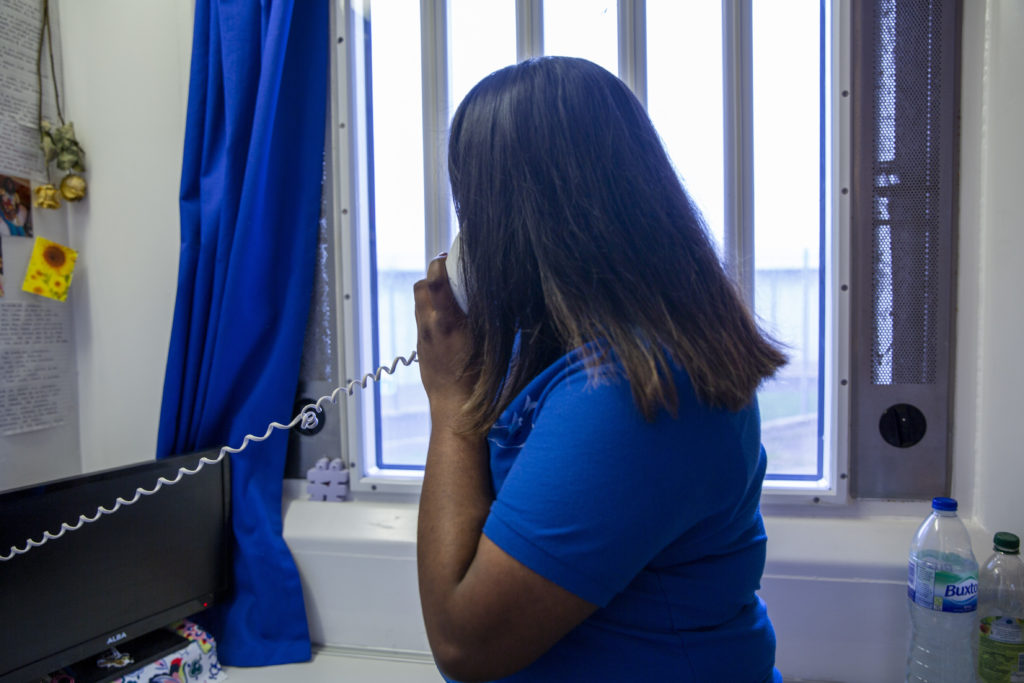



The first report of the Women’s Justice Board has urged the government to take greater measures to prevent women going to prison after a acknowledging the failures of the Corston Report nearly 20 years ago.
This new report recommends a whole-system approach to reduce the number of women in custody by diverting them into support that addresses the root causes of offending. This approach aligns with government policy, which aims to ‘reduce women’s imprisonment and increase the use of community solutions.’ It offers incentives to police to divert women from prison, instead addressing the root cause of their offending.
Prisons Minister James Timpson, who set up the Board last year, said it ‘is clear that there are far too many women in prisons who should not be there.’ He added that most of these women ‘should be diverted away from prison and supported, and that’s what we want to try and do.’ He told the Guardian this week ‘there are many women who are, in my view, in the criminal justice system because they are victims, we need to help them.’
Pavan Dhaliwal, Chief Executive at Revolving Doors, called the announcement ‘a win for those fighting to end the revolving door of crisis and crime.’ Pavan emphasised that ‘specialist community support, prevention, and diversion, is far more effective than short spells in custody at addressing those root causes.’
David Lammy, Deputy Prime Minister, said the aim is to ‘help women break away from lives of crime, not send them back to a prison cell time and time again, disrupting their own lives and those of their children.’
Revolving Doors ‘welcomes the Board’s focus on this approach, which has the potential to break cycles of offending and get vulnerable women the support they need.’ Research with Newton has shown that ‘between 30,000 and 50,000 people are trapped in the revolving door of repeat, low-level offending.’ This costs the ‘public purse around £1 billion a year.