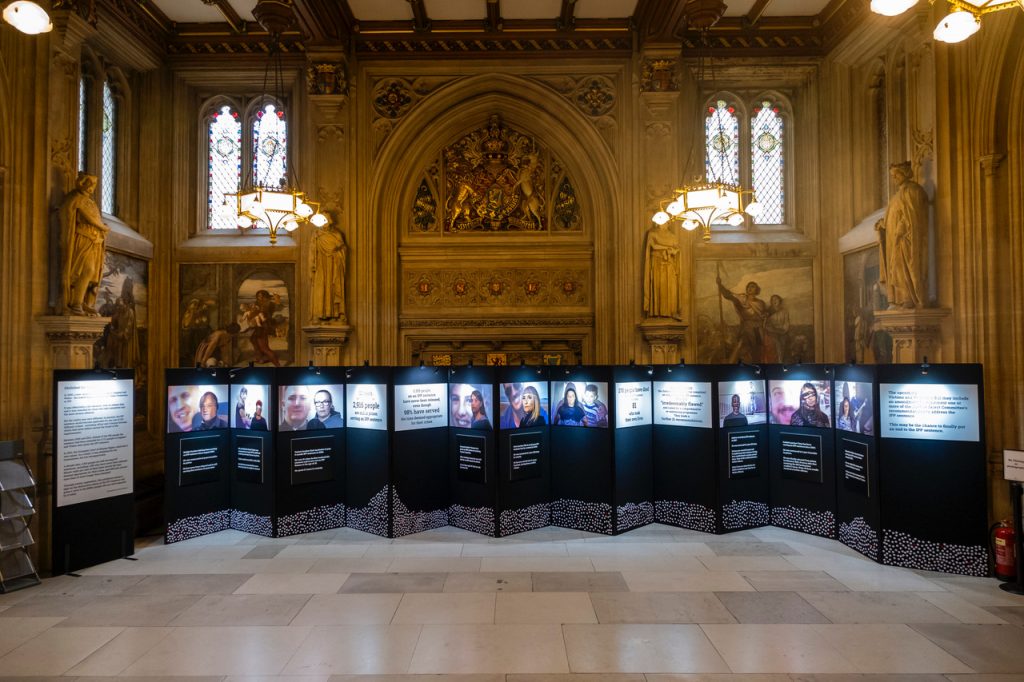

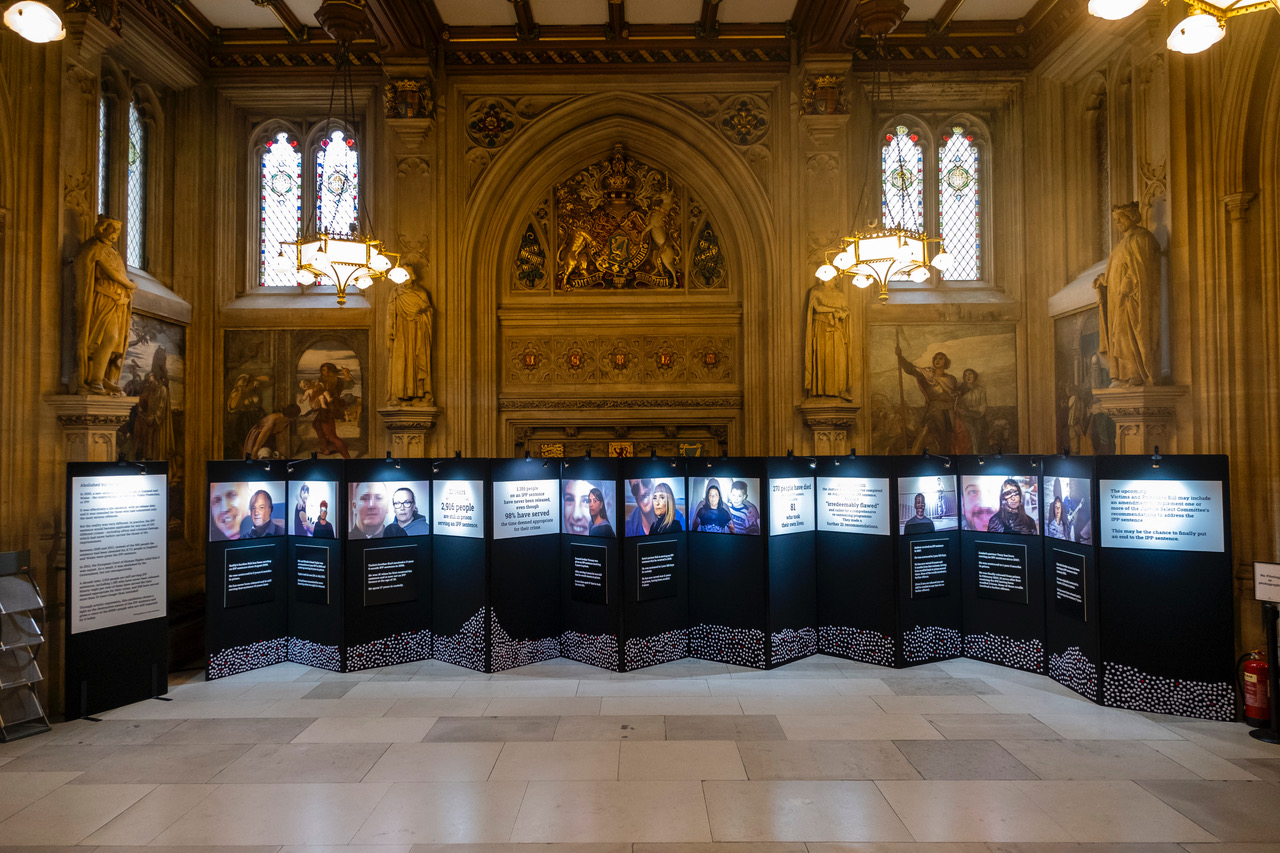
Campaigners have called for the government to act swiftly after Prime Minister Andy Burnham pledged to end imprisonment for public protection (IPP) sentences, which have left hundreds of prisoners incarcerated more than a decade beyond their minimum terms.
The government has announced they will introduce legislation to end the sentences before the end of this parliament, while Justice Secretary Alex Norris told MPs that work would begin immediately.
However, the government has yet to set out how individual cases will be dealt with and has said the process will ‘take time’ as ministers balance fairness with public safety.
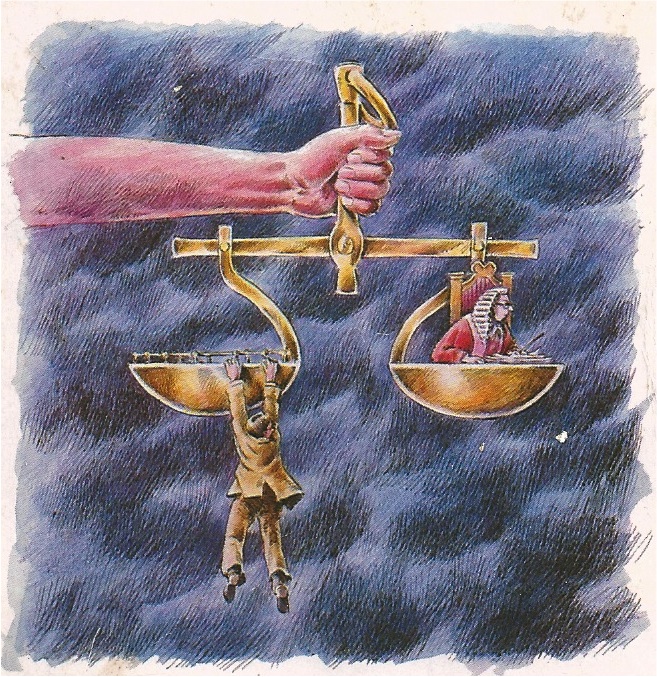
IPP sentences, introduced in 2005 and abolished in 2012, imposed a minimum tariff but no fixed release date.
Their abolition was not retrospective, meaning they did not apply to prisoners already serving IPP sentences. As of June, 2,271 people remained imprisoned under IPPs.
Of the 856 who had never been released, 99% were beyond their minimum tariff, while 80% had served more than 10 years beyond it. A further 1,415 people were back in prison after being recalled while on licence.
Former Lord Chief Justice Lord Thomas described the regime as ‘preventative detention’ and said prisoners had been punished ‘grossly excessively’.
The United Group for Reform of IPP (UNGRIPP) welcomed the government’s commitment but cautioned that legislation was only a first step.
The campaign group urged the Ministry of Justice and probation services to ensure implementation was ‘swift, transparent’ and accompanied by comprehensive mental-health and community support.
Ninety-six people serving IPP sentences have died by suicide in prison.
UNGRIPP chief executive Marc Conway said, ‘While we welcome this critical action by the government, we do so with heavy hearts for those who did not live to see this day, and for the families torn apart by years of endless uncertainty.
Legislation alone cannot undo twenty years of damage, but it is the essential first step toward healing’.
Andrea Coomber KC (Hon.), Chief Executive of the Howard League for Penal Reform, said the announcement ‘ought to be the beginning of the end of a terrible injustice that has ruined thousands of lives and brought great shame on our criminal justice system. Ministers have made the right decision, and they must now begin the challenging task of putting everything in place to prepare people for release after years of unjust incarceration. This moment is long overdue’.
She said the charity ‘welcomed the clarity’ on the sentence that has been provided by the Prime Minister’s announcement but added that they are concerned that the details of the plans released so far may ‘make it harder to tackle the prisons crisis in the short term’.
Labour MP, Kim Johnson, has long campaigned for the abolition of the IPP sentence. She said in the wake of the announcement that it was ‘a huge moment for IPP families and campaigners’, adding, ‘without all their hard work and determination, we would not be in this position today’.